The price you see for a skin is the price of an ordinary copy. Overpay is the extra a buyer pays for one particular copy because of its float, its pattern or what's stuck to it. For most items that extra is small or zero; for a few it's most of the price.
Base price first
Markets group skins by name and wear, so every Field-Tested copy of a finish shares one price history. That shared number is the base price: roughly what a copy with nothing special about it sells for. Overpay is always measured against it.
Until recently you had to inspect an item in the game to see what made one copy different. Since Valve's May 2026 market update, Steam listings show float, pattern template and applied stickers and charms directly, and you can filter by them. That makes overpay easier to spot, but it doesn't tell you how much it's worth.
Float overpay
Every skin has a float value between 0 and 1, set when the item is created and fixed for life. The float decides the wear tier: Factory New covers 0.00 to 0.07, Minimal Wear 0.07 to 0.15, and so on down to Battle-Scarred. A refresher is in float values and wear.
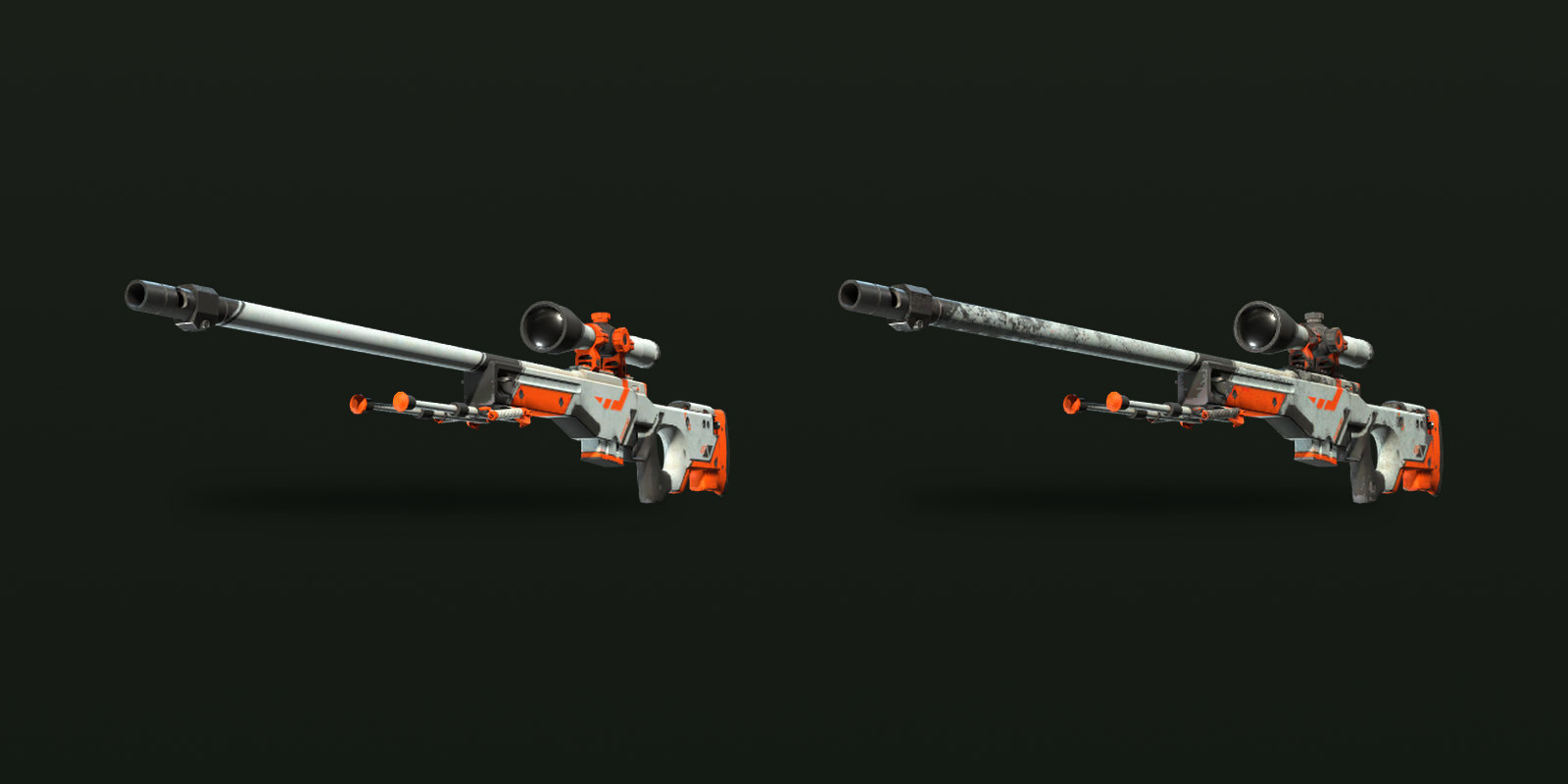
Inside a tier, copies aren't equal. A Minimal Wear skin at 0.071 can look almost Factory New, while one at 0.149 is nearly Field-Tested, and some buyers pay extra for the cleaner end. Collectors also chase the lowest floats that exist for a given skin. That premium is easier to justify on finishes where wear is visible in normal play, and harder on ones that barely change.
Capped finishes add a twist. The Counter-Strike Wiki gives the P250 | Whiteout as a skin that can't go below 0.06 or above 0.80. When a skin can't reach the bottom of a tier, the lowest floats that do exist can become their own small collectors' market.
Pattern overpay
Each copy also carries a pattern template, a number of up to 1,000 that shifts how the finish sits on the model. On most skins you'd struggle to tell two patterns apart, but on a few finishes the pattern is the whole story.
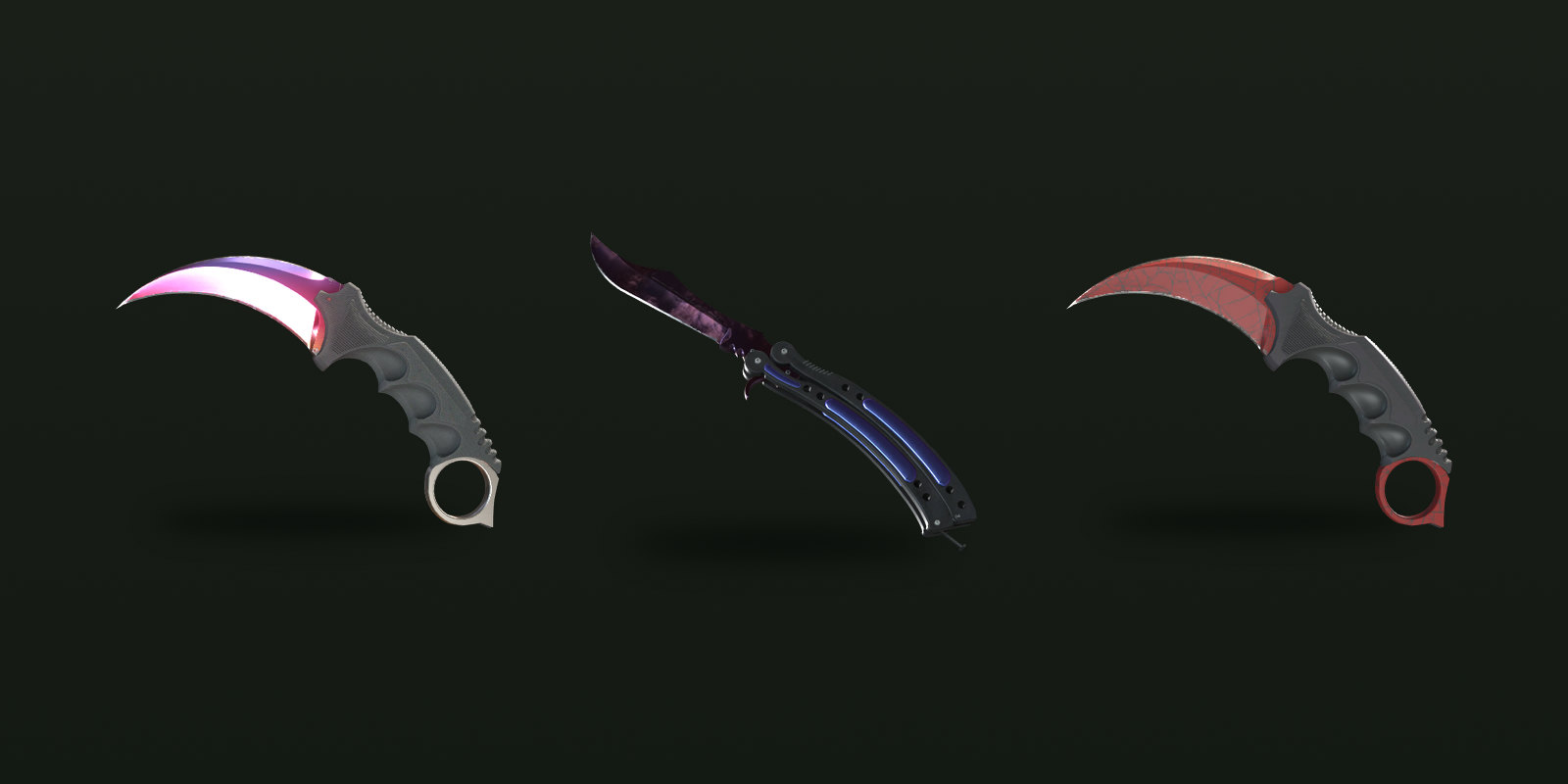
On Case Hardened it decides how much blue covers the weapon, covered in blue gems. On Fade finishes it decides how much of the colour gradient shows, explained in fade percentage.
Doppler knives are a related case. Each copy belongs to one of several phases with different colours, and buyers price the phases separately, as Doppler phases explains.
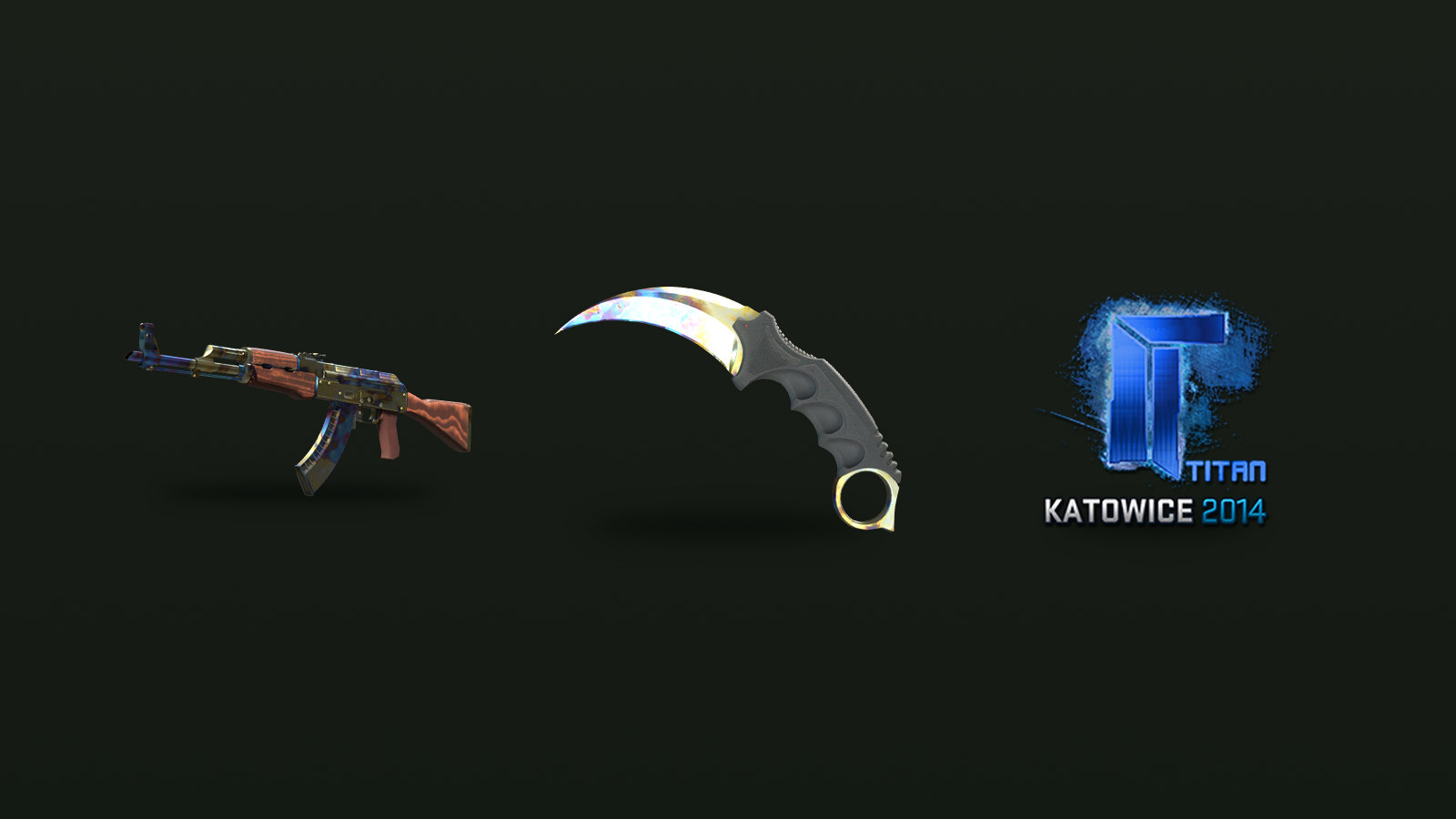
The top of this market reaches extremes. Dexerto reported in April 2023 that most AK-47 | Case Hardened skins sell for only a few hundred dollars. In June 2024 it reported the sale of a StatTrak Factory New AK-47 | Case Hardened with pattern 661, the most sought-after blue pattern. The price wasn't disclosed, but one of the brokers said offers of $1 million had been rejected several times before the deal.
Sticker overpay
Applied stickers rarely add their full value to a skin. Once a sticker is on a weapon it can be scraped or removed, but not returned to your inventory, so a buyer can't recover its worth by taking it off. In practice common stickers add little or nothing, and buyers usually save real money for rare stickers, good placement or a full matching set.
Rare stickers are the exception, and Katowice 2014 holos are the famous case. Dexerto reported in April 2023 that a StatTrak Minimal Wear AK-47 | Case Hardened with pattern 661 and four Titan Holo stickers from Katowice 2014 sold for around $400,000. It estimated that the stickers, then worth roughly $60,000 each, took the gun from about a $150,000 item to a $400,000 one. That's close to full sticker value, which only happens when the stickers themselves are scarce and the combination is famous.
More background is in Katowice 2014 stickers and the sticker guide.
Other things buyers pay for
Charms carry their own templates, which Steam now shows on listings, so the same logic can apply to them. StatTrak and Souvenir versions aren't overpay at all; they're separate items with their own markets, explained in StatTrak vs Souvenir.
Judging whether an overpay is fair
Overpay is only worth what the next buyer will pay for the same feature, so judge it with that in mind:
- Compare like with like. Look for recent sales of copies with a similar float, pattern or sticker set, not the item's general chart.
- Count the buyers. A premium that appeals to a handful of collectors can take a long time to cash in. See CS2 skin liquidity.
- Know who ignores it. A Steam buy order is placed on an item name and filled by whichever copy is listed, so selling into one gets you the base price whatever your float or pattern.
- Discount common stickers. Assume ordinary applied stickers add close to nothing unless sales show otherwise.
If you're shopping for a particular float, pattern or sticker combination, the filters on Buy let you narrow listings by float range, paint seed, fade percentage, Case Hardened blue percentage, Doppler phase and stickers by slot.