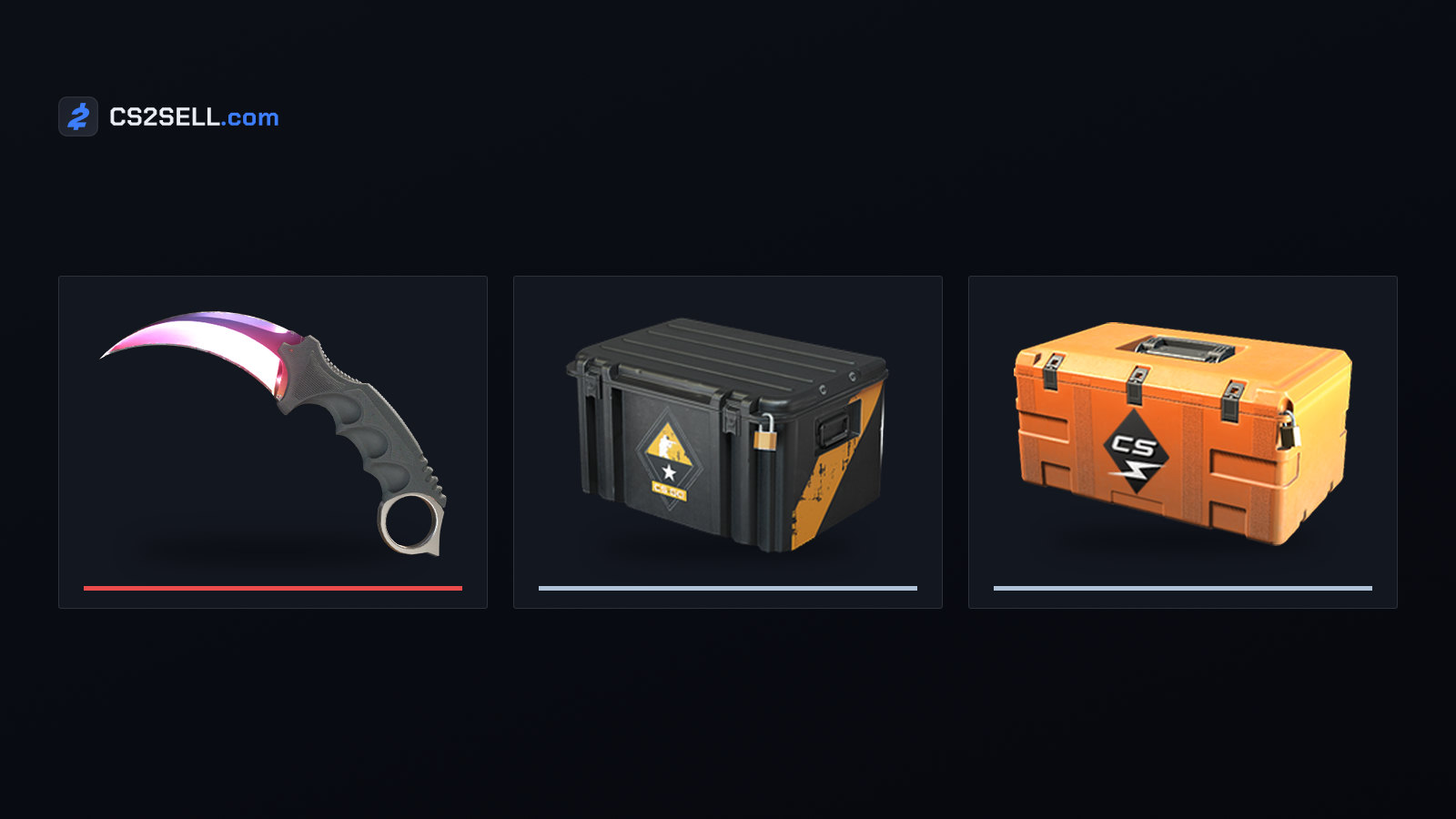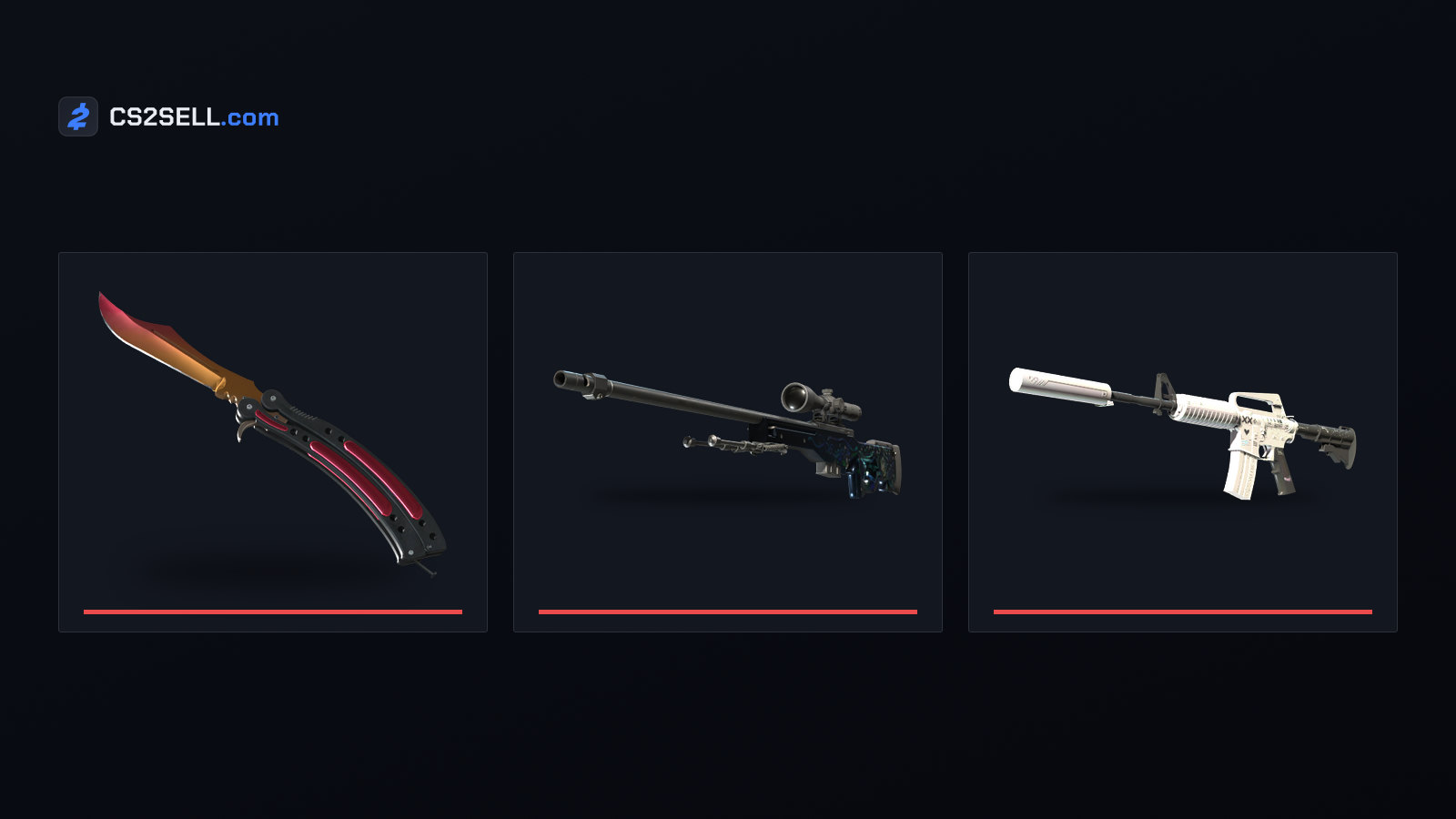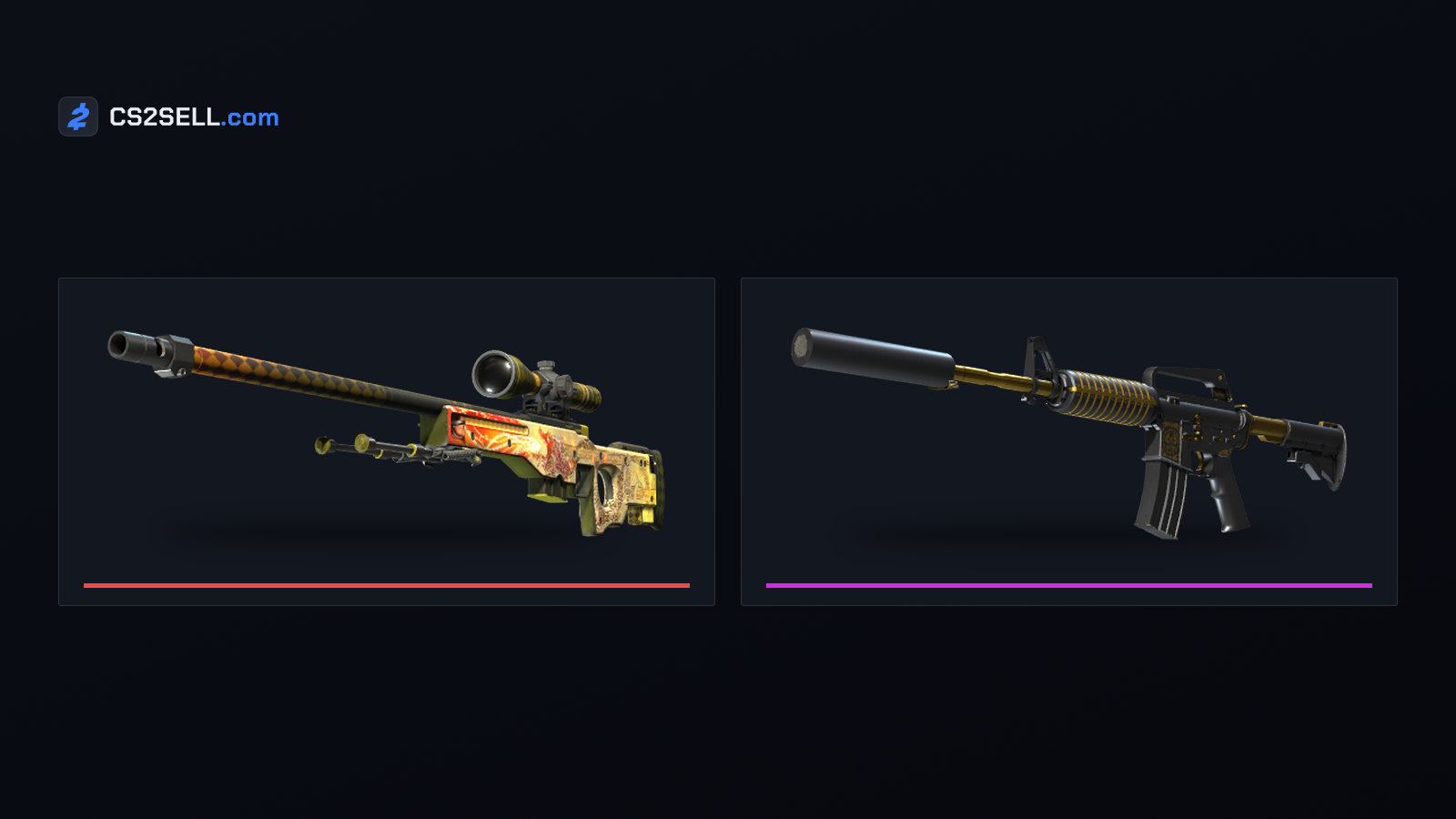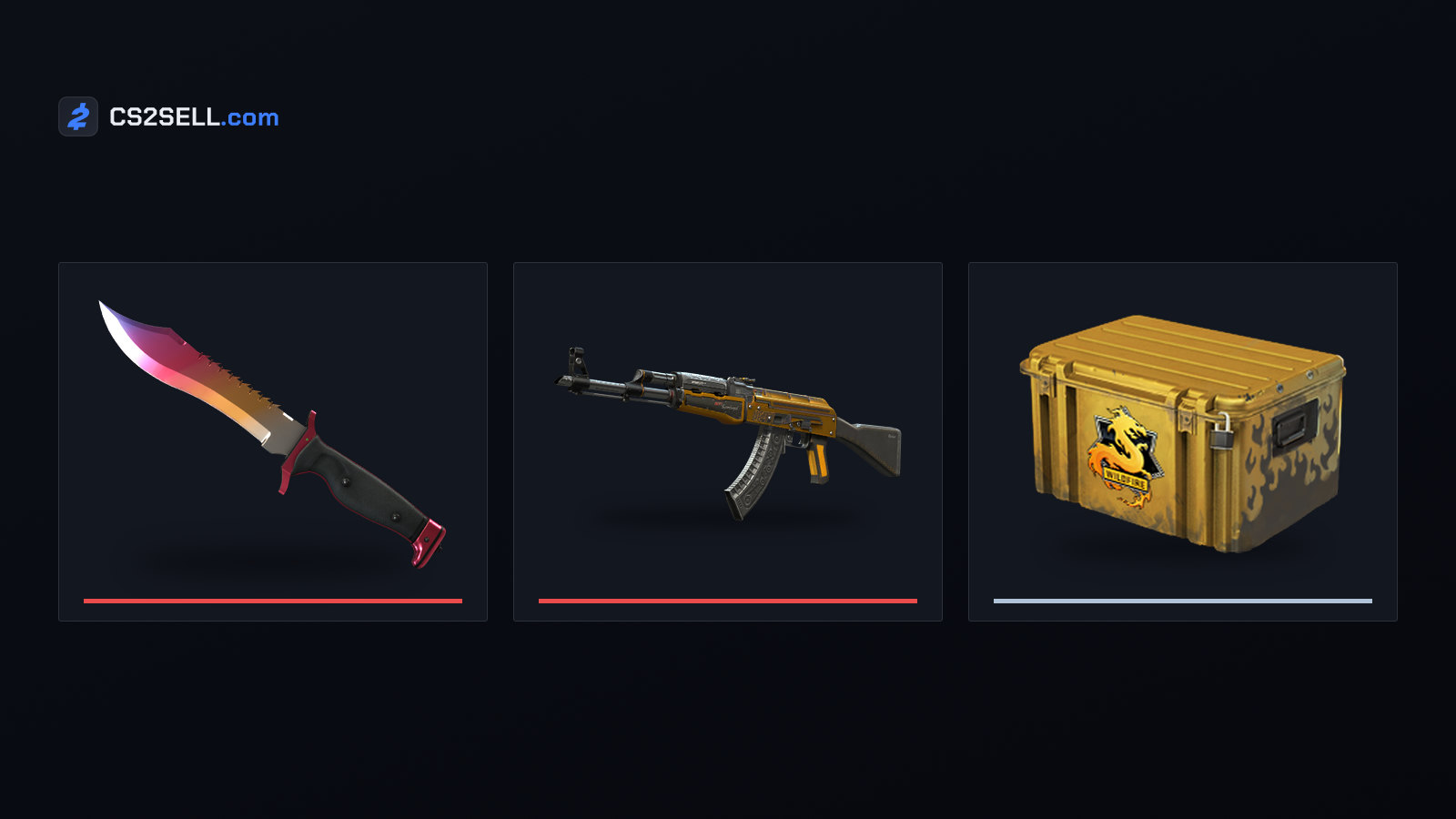
Operation Wildfire was CS:GO's seventh operation, running from February 17 to July 15, 2016. It launched alongside a completely rebuilt Nuke, which joined the competitive map pool within two months, and it gave pass holders a cooperative campaign, timed Blitz missions and the Operation Wildfire Case with the new Bowie Knife. For the series as a whole, see the operations overview.
Dates and the Access Pass
Wildfire started on February 17, 2016, and Valve's update of July 15, 2016 announced that it "has come to a close." The release notes listed the Operation Wildfire Access Pass at $5.99, the same price as the passes for Breakout, Vanguard and Bloodhound.
According to Valve's notes, the pass included:
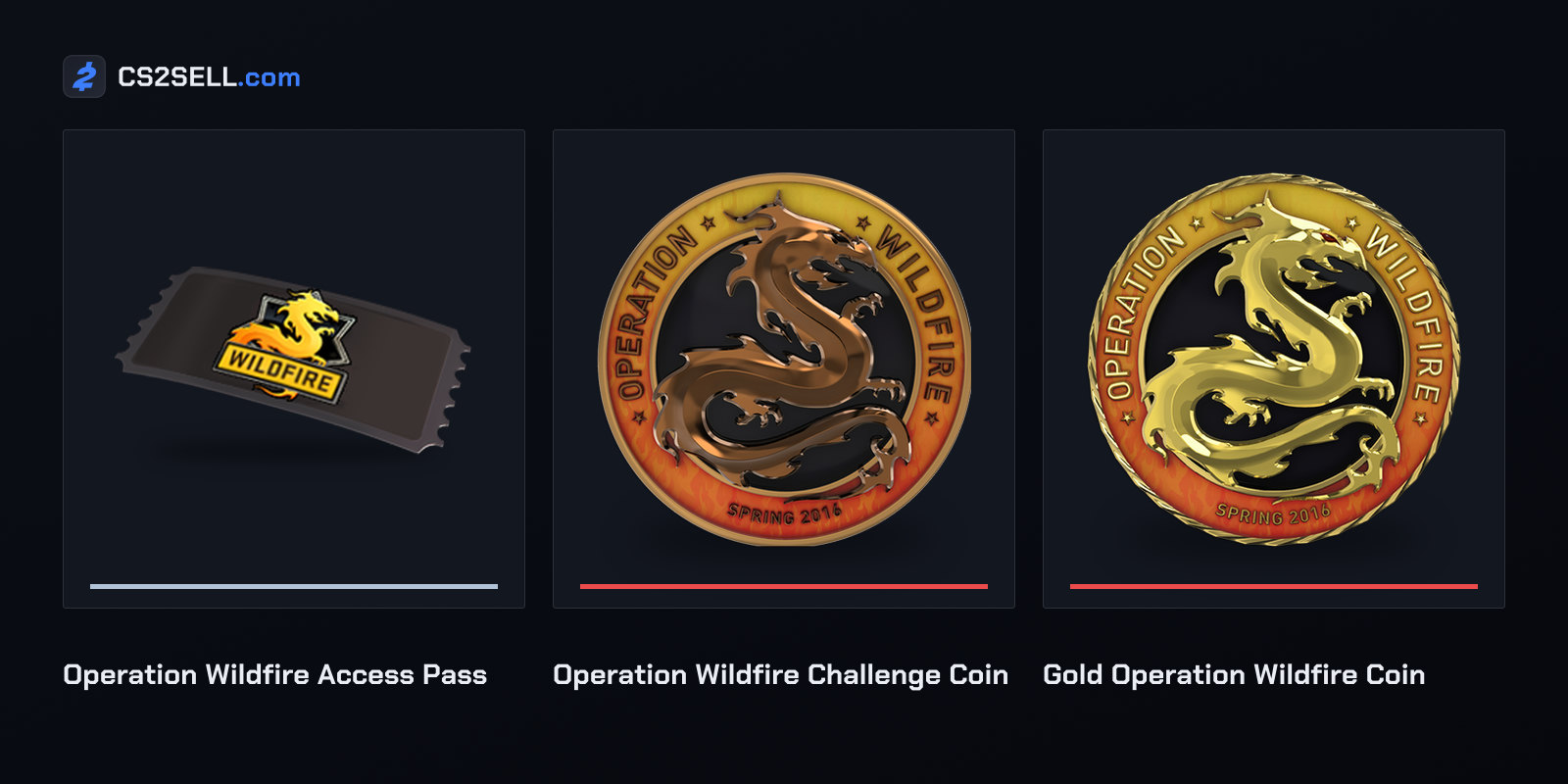
- The Operation Wildfire Coin, upgraded by completing challenge missions.
- An Operation Journal tracking your official competitive stats, with a friends leaderboard.
- The cooperative Gemini Campaign, with replayable missions and a leaderboard for each mission.
- The Wildfire Campaign, with 30 missions in Casual, Arms Race, Demolition and Deathmatch.
- Blitz Missions, global events granting bonus XP for a specific action.
- Weapon drops from the operation collections.
- Exclusive access to the Operation Wildfire Case.
Seven community maps
All seven operation maps were free for everyone, playable in Competitive Matchmaking and other modes through the Operation Wildfire map group. Valve's operation page called them "top-rated community-created maps".
| Mode | Maps |
|---|---|
| Bomb defusal | Coast, Empire, Mikla, Royal, Santorini, Tulip |
| Hostage rescue | Cruise |
HLTV singled out Santorini, made by FMPONE, one of the creators credited on Cache.
The new Nuke
Nuke shipped the same day, and in Valve's words it was available "in Competitive Matchmaking, plus other game modes as part of the Operation Wildfire map group." Valve's page on the map described a "complete overhaul and re-build" of the map first released in November 1999. The goals were to give Terrorists more tactical options and to make the map clearer to read, with three specific changes:
- Adjusted rotation times between the two stacked bombsites.
- Changes to how Counter-Terrorists could control the rafters.
- A new outdoor attack route.
Valve credited forum posts, video analysis and emails from players with shaping the changes. On April 21, 2016, two months into the operation, it moved Nuke into the Active Duty map group and sent Inferno to the reserves, adding that Nuke would be one of the seven maps at the ESL One Cologne 2016 Major. The Cologne 2016 article covers that event.
Gemini, Wildfire and Blitz missions
As in Bloodhound, missions paid XP towards your profile rank, and the first rank-up each week gave pass holders a weapon from the operation drop list.
Gemini was built for co-op play. According to the Counter-Strike Wiki it had 23 Guardian missions and 3 Co-op Strike missions, all replayable, and completing them revealed pages of a CS:GO comic.
Wildfire used casual-style modes: Casual, Arms Race, Demolition and Deathmatch.
Blitz missions were short global events. For a limited window, everyone with a pass could earn bonus XP for a set action. Valve required Private Rank 3 or higher for the competitive ones.
Challenge missions awarded stars for the coin; the wiki gives 9 stars for silver and 14 for gold, the same thresholds as Bloodhound.
The drop list and the Wildfire Case
Pass holders' earned drops came from the same six collections as in Bloodhound: Cobblestone, Cache, Overpass, Gods and Monsters, Chop Shop and Rising Sun. Wildfire added no new drop collection.
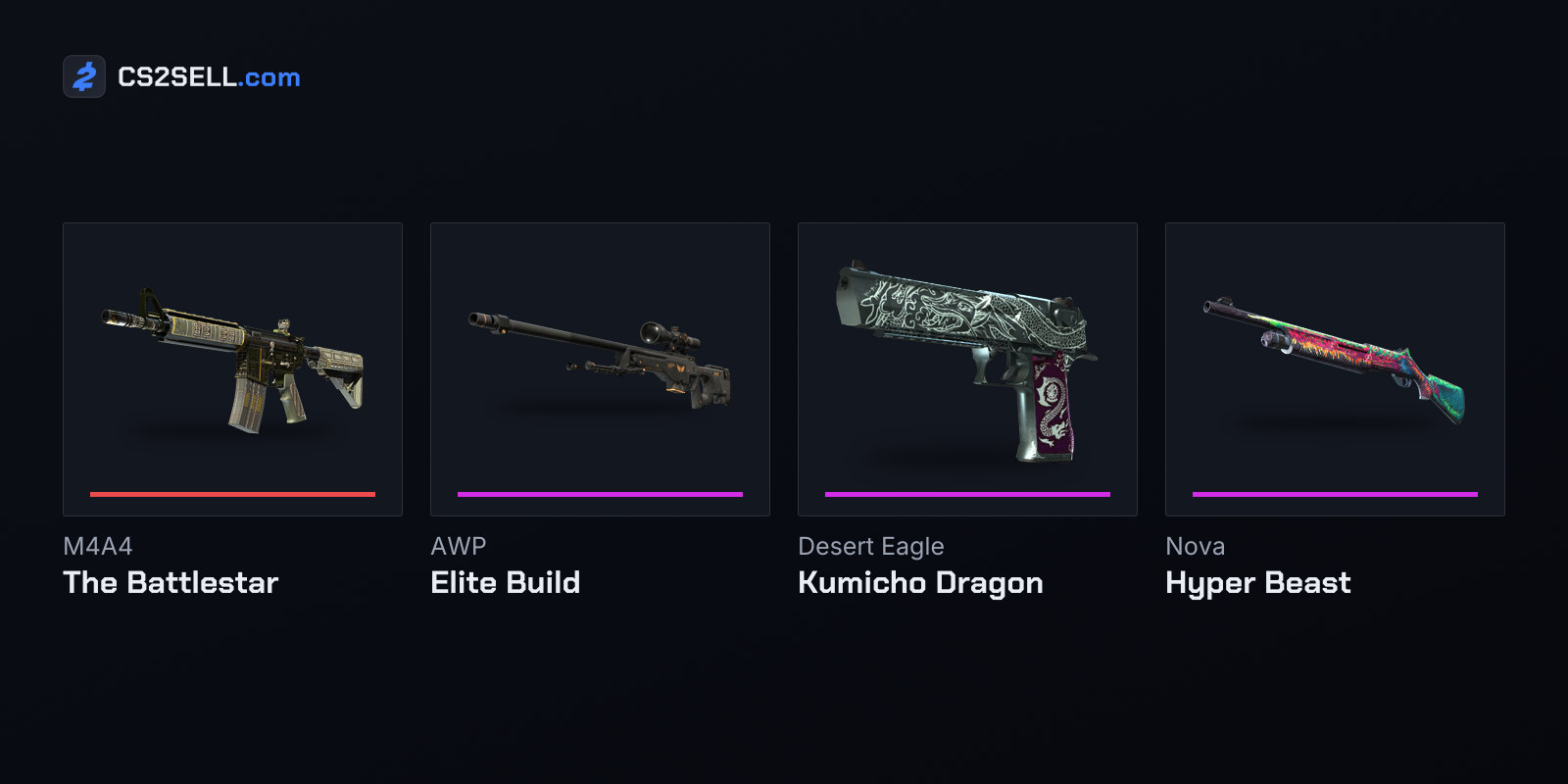
The case was the new item. Valve's page described 16 "top-rated community-created weapon finishes" and said coin holders would "get exclusive case drops in addition to their normal drops."
| Grade | Finishes |
|---|---|
| Covert | AK-47 Fuel Injector, M4A4 The Battlestar |
| Classified | AWP Elite Build, Desert Eagle Kumicho Dragon, Nova Hyper Beast |
| Restricted | FAMAS Valence, Five-SeveN Triumvirate, Glock-18 Royal Legion, MAG-7 Praetorian, MP7 Impire |
| Mil-Spec | Dual Berettas Cartel, MAC-10 Lapis Gator, PP-Bizon Photic Zone, SSG 08 Necropos, Tec-9 Jambiya, USP-S Lead Conduit |
The Bowie Knife
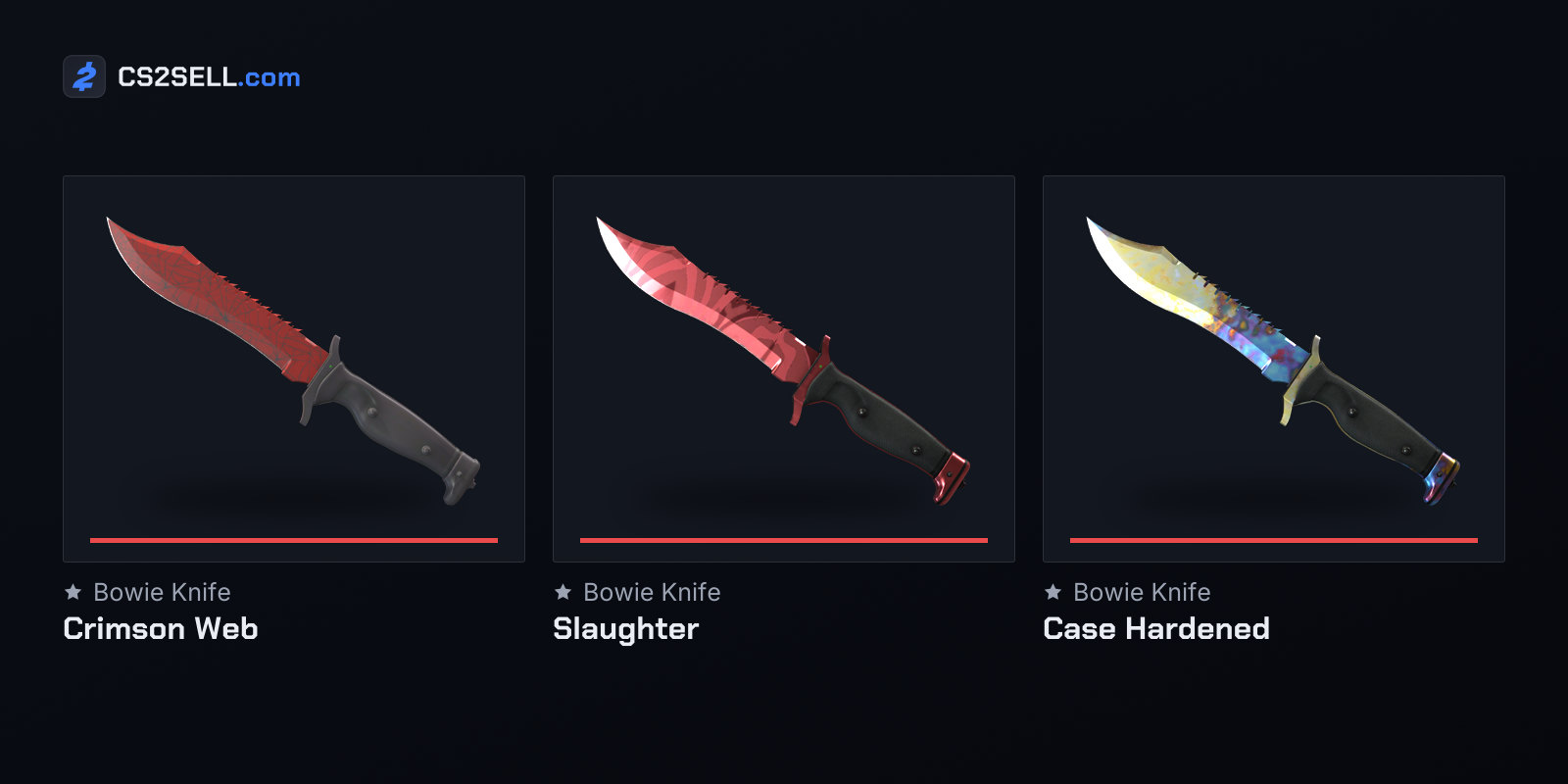
The rare special item was a new knife. Valve explained the name: the Bowie "derives its name and reputation from James Bowie, a notorious knife fighter, who died at the Alamo." It launched in the original knife finishes, such as Fade, Crimson Web, Slaughter and Case Hardened. It was the last new knife model of the CS:GO operations until Shattered Web added four in 2019.
The Bowie later joined the other knives of 2014 to 2016 in Chroma finishes in the Spectrum cases and in Gamma finishes in the Operation Riptide case. The knife guide compares how it handles against the rest.
On July 15, 2016, as the operation closed, Valve made the Operation Wildfire Case "available for all players."
What Wildfire changed
Nuke's new era. The rebuilt Nuke became a regular Active Duty map from April 2016 and was in the Cologne Major's map pool that July. Inferno, moved to the reserves to make room, was itself reintroduced before Operation Hydra.
Co-op as a fixture. Co-op Strike missions debuted here and came back in Shattered Web, while replayable Guardian campaigns carried on into Hydra.
The end of an era for drops. Wildfire kept Bloodhound's six-collection drop list, and Hydra used it one last time in 2017. After that it was retired, which is why skins like the AWP | Medusa now mainly change hands between players.