The Steam Community Market is where most CS2 items get their first public price. It began as a small Team Fortress 2 beta in December 2012, took on CS:GO items in August 2013, and has gathered rules ever since, most of them aimed at account theft and fraud. Here is how it got from there to the rules that apply in 2026.
For the current fees, wallet cap and price limit, see our guide to Steam Market fees, holds and limits. This article is the history behind them.
The key dates
| Date | Change |
|---|---|
| 2011 | Steam adds item trading between players |
| Dec 12, 2012 | Community Market opens in beta, for Team Fortress 2 only |
| Aug 14, 2013 | CS:GO items arrive with the Arms Deal update |
| Dec 9, 2015 | Trade holds for accounts without the Mobile Authenticator |
| Mar 9, 2016 | Holds grow to 15 days and reach Market listings |
| Mar 29, 2018 | Traded CS:GO items get a seven-day cooldown |
| Oct 28, 2019 | Newly bought CS:GO keys can no longer be traded or sold |
| Oct 2, 2024 | Seven-day re-trade and re-market lock for CS2 items |
| Jul 15, 2025 | CS2 trades become reversible for seven days |
| Mar 4, 2026 | Listed CS2 items stay in your inventory until they sell |
Trading first, then a market
Trading came first. Valve recalled in 2016 that it had "added a feature to Steam that enabled users to trade in-game items" in 2011. By the end of 2012, Valve's Tony Paloma said there were "over a half million trades made every week".
The Market followed on December 12, 2012. Valve's press release introduced it "in Beta with Team Fortress 2" and said players could now buy and sell in-game items with each other "for Steam Wallet funds". The Team Fortress 2 team added that during the beta, sales were limited to one-time consumable items. Purchases carried transaction fees, and Valve promised other games "in the New Year".
That design has never changed in one respect: money from a sale goes into your Steam Wallet and stays inside Steam. Valve's own pitch was about turning gameplay "into funds for new items and games", not into cash.
August 2013: CS:GO joins
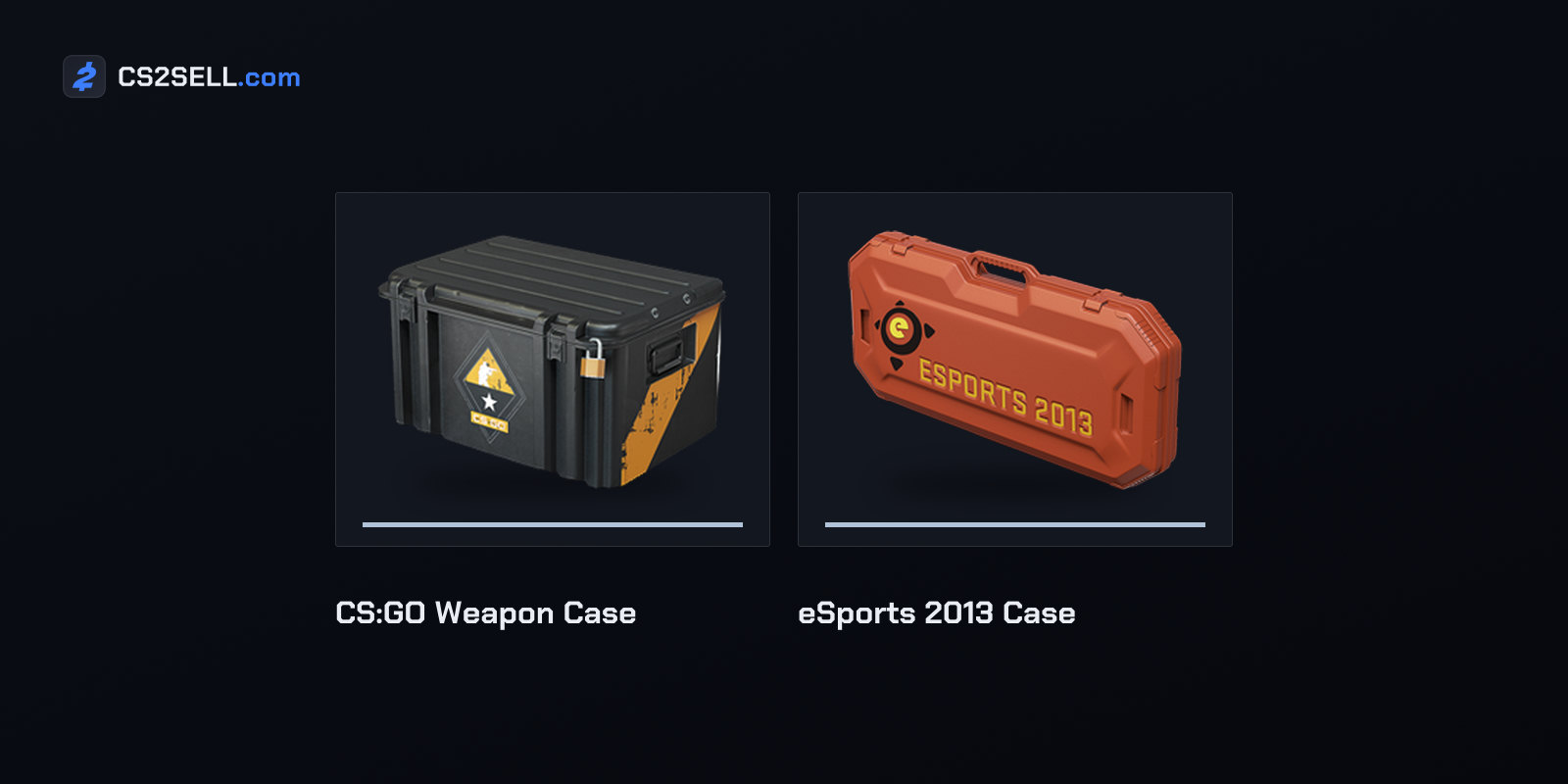
CS:GO's turn came with the Arms Deal update of August 14, 2013. The release notes said all Arms Deal items "can be sold and purchased through the Steam Marketplace", and that you could open the in-game inspect view straight from the Steam inventory, the Community Market and Steam trading. The first two CS:GO cases, and keys to open them, launched the same day.
2015 and 2016: holds against account theft
As item values grew, so did theft. In December 2015 Valve said around 77,000 accounts were being hijacked and looted every month, according to Ars Technica's report on the announcement. Its answer was the trade hold, introduced on December 9, 2015:
- Anyone giving away items in a trade needed the Steam Guard Mobile Authenticator for at least seven days, with trade confirmations on. Otherwise Steam held the items for up to three days before delivery.
- Trades between friends of at least a year were held for up to one day.
Three months later the Market was brought in. From March 9, 2016, holds rose to 15 days, and listings on the Community Market got a 15-day hold before the item could be sold, for anyone without the authenticator. Valve also said Steam Support would no longer restore items that left an account through a successful trade or Market sale, because restoring them had created duplicates.
2018 and 2019: CS:GO-specific rules
From here, Counter-Strike started getting rules of its own. On March 29, 2018, Valve gave CS:GO items received in trades "the same seven-day trade cooldown as items purchased in-game or via the Steam Community Market". HLTV reported Valve's reasoning: services using automated accounts to trade items very frequently had become a route for fraud and scams.
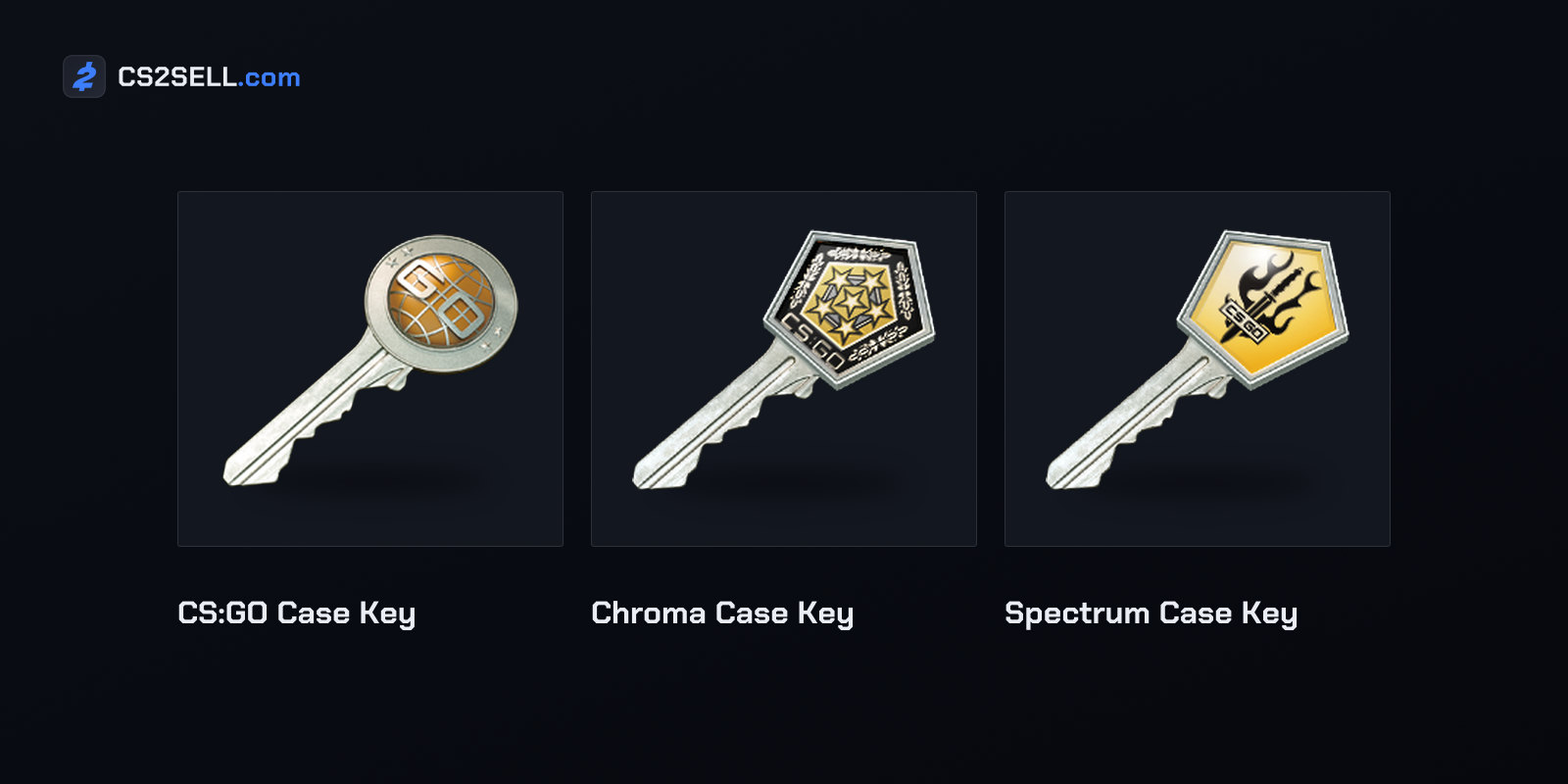
On October 28, 2019, Valve went further with keys. CS:GO container keys bought in-game could "no longer leave the purchasing account", so they couldn't be traded or sold on the Market. Valve said "worldwide fraud networks" had started using keys to cash out, and that "nearly all key purchases that end up being traded or sold on the marketplace are believed to be fraud-sourced". Keys bought before that day were unaffected.
Regional rules arrived in the same period. Valve briefly switched off trading and the Market for Dutch accounts in 2018, and France lost the ability to buy containers on the Market in 2019, as our article on loot box rules in Belgium, the Netherlands and France explains.
CS2: locks, reversals and listings that stay put
CS2 has brought a quick run of changes of its own.
- October 2, 2024. "All items acquired from the in-game store (including the Armory), Trade Offers, and Steam Community Market are now subject to a 7 day re-trade and re-market restriction."
- July 15, 2025. Valve introduced Trade Protection. PC Gamer reported that CS2 items received in a trade are delivered at once but can't be consumed, modified or transferred for seven days, and during that time you can reverse your recent trades. Reversing them restricts your account from trading and the Market for 30 days. Our trade protection explainer covers how it works.
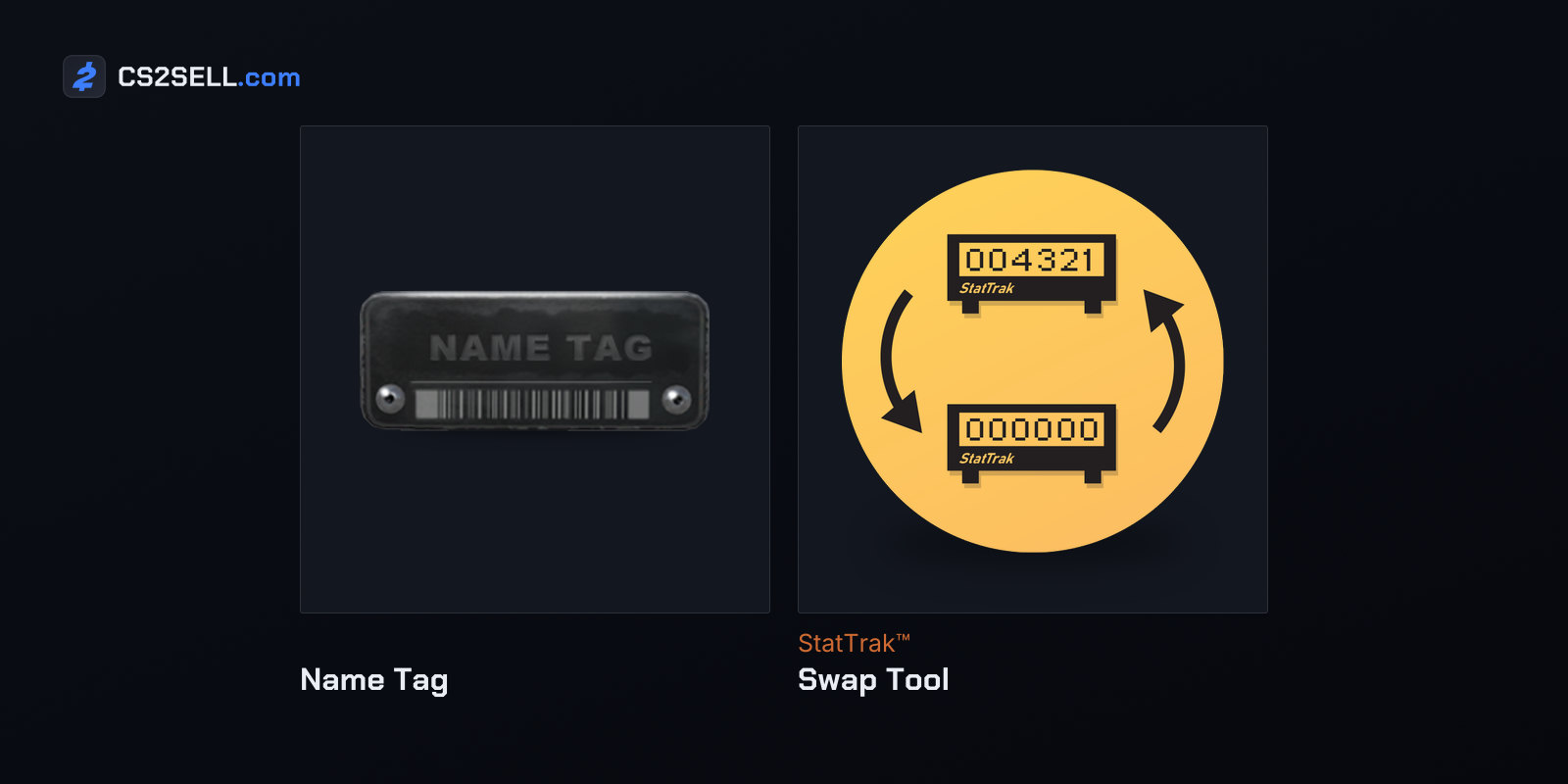
- November 12, 2025. Newly bought Name Tags and StatTrak Swap Tools stopped being tradable or marketable, and the Market and web inventory switched to CS2's item quality colours.
- March 4, 2026. Items you list now stay in your inventory while they're for sale, so you can keep using a skin until someone buys it. While listed it can't be consumed or modified, and you can cancel at any time.
What the history tells you
Where Valve gave a reason for a rule, it was usually the same one: making stolen or laundered items harder to move quickly. The 2015 holds slowed hijackers down, the 2019 key change targeted fraud networks, and trade protection lets victims pull items back. If a trade or sale is held up today, it is usually one of these rules, and the reasons for each are listed in our guide to Steam Guard and trade holds.
Sources
- Steam Community Market Now In Beta — Steam News
- Counter-Strike: Global Offensive Update Released (8/14/2013) — Steam News
- Security and Trading — Steam News
- Securing your position: Update — Counter-Strike blog
- CS:GO update with Nuke adjustments; new trade restriction — HLTV.org
- Key Change — Counter-Strike blog
- Counter-Strike 2 patches/October 2, 2024 — Counter-Strike Wiki
- Steam will let you reverse your last 7 days of CS2 trades — PC Gamer