Since March 17, 2026, Brazilian law has banned loot boxes in games that children and teenagers are likely to play, and the Justice Ministry counts CS2's cases, opened with paid keys, as loot boxes. In June a court in the Federal District ordered Valve to pay R$10 million in a lawsuit filed in 2021, and in October the ministry asked the regulator to prioritise CS2 among six games without age verification. This is a dated record of what the law, the court and the government have said, not legal advice.
2021: the lawsuits came first
On February 24, 2021, the National Association of Child and Adolescent Defence Centres (ANCED) sued 13 companies over loot boxes in the Federal District's Children and Youth Court. Valve was one of them, alongside EA, Activision, Riot, Ubisoft, Konami, Garena, Tencent and Nintendo. Apple, Google, Microsoft and Sony were sued too, and ANCED asked them to stop offering games with loot boxes on their platforms.
ANCED asked the court to ban loot boxes and to award damages of at least R$1.5 billion from each company, plus R$1,000 for every child or teenager shown to have been harmed. Brazil had no law that expressly banned loot boxes at the time, so the suits relied on older law, including the 1990 Statute of the Child and Adolescent and the Consumer Protection Code.
September 2025: the ECA Digital loot box ban
Law 15.211 of September 17, 2025, the ECA Digital (Digital Statute of the Child and Adolescent), wrote loot boxes into Brazilian law. It defines a loot box as a feature that lets a player pay for consumable virtual items or random advantages without knowing in advance what they will get. Article 20 bans loot boxes in games aimed at children and teenagers or likely to be accessed by them, with the game's official age rating as the reference.
The law took effect on March 17, 2026. Its penalties include a warning with up to 30 days to fix the problem and fines of up to 10% of the company group's revenue in Brazil, capped at R$50 million per infraction. Only the courts can suspend or ban a company's activities.
March 2026: three ways to comply
Decree 12.880 of March 18, 2026 set out the detailed rules and confirmed the ANPD, Brazil's National Data Protection Agency, as the body that regulates and enforces the law. Its Article 23 tells games with loot boxes to verify users' ages so that children and teenagers can't reach the feature. That check is more than typing in a birth date: the decree defines it as a high-reliability confirmation of age by technical or documentary means, as opposed to users simply stating their age. Offering a version without loot boxes, or blocking the feature entirely by default, removes the need for the check.
The ANPD set out its timetable on March 20: definitive technical guidance from August 2026, and effective enforcement, with possible fines, from January 2027. Until then it monitors companies and issues guidance, and its sanctions wait on updated enforcement rules.
June 2026: R$10 million against Valve
On June 9, 2026, the 1st Children and Youth Court of the Federal District signed its sentences. Valve, listed for Counter-Strike, was ordered to pay R$10 million in collective moral damages, compensation for harm to the public rather than to particular people, into the Federal District's fund for children's rights. The awards ranged from R$5 million for Nintendo to R$50 million each for Apple, Microsoft and Tencent.
The companies were also ordered to:
- show an explicit warning on every screen that offers a loot box;
- show the exact odds of each item, or category of items, on the purchase screen itself;
- verify users' ages;
- offer a free refund system for loot box purchases by users proven to be under 18.
Ignoring those orders carries a daily fine of R$100,000. In the sentence against Riot Games, which the court summarised publicly, the judge held that the ECA Digital only spelled out a prohibition that already followed from earlier rules, including the Constitution, the 1990 statute and consumer law. The sentences can be appealed.
October 2026: CS2 on the ministry's list
On October 15, 2026, the Justice Ministry published Technical Note 55/2026 from its National Secretariat for Digital Rights. The note reviews the law's first six months, drawing on the ministry's age-rating report on 15 popular titles and franchises. It describes CS2's loot boxes as cases opened with paid keys that give weapon skins; our history of CS2 weapon cases covers how that system developed.
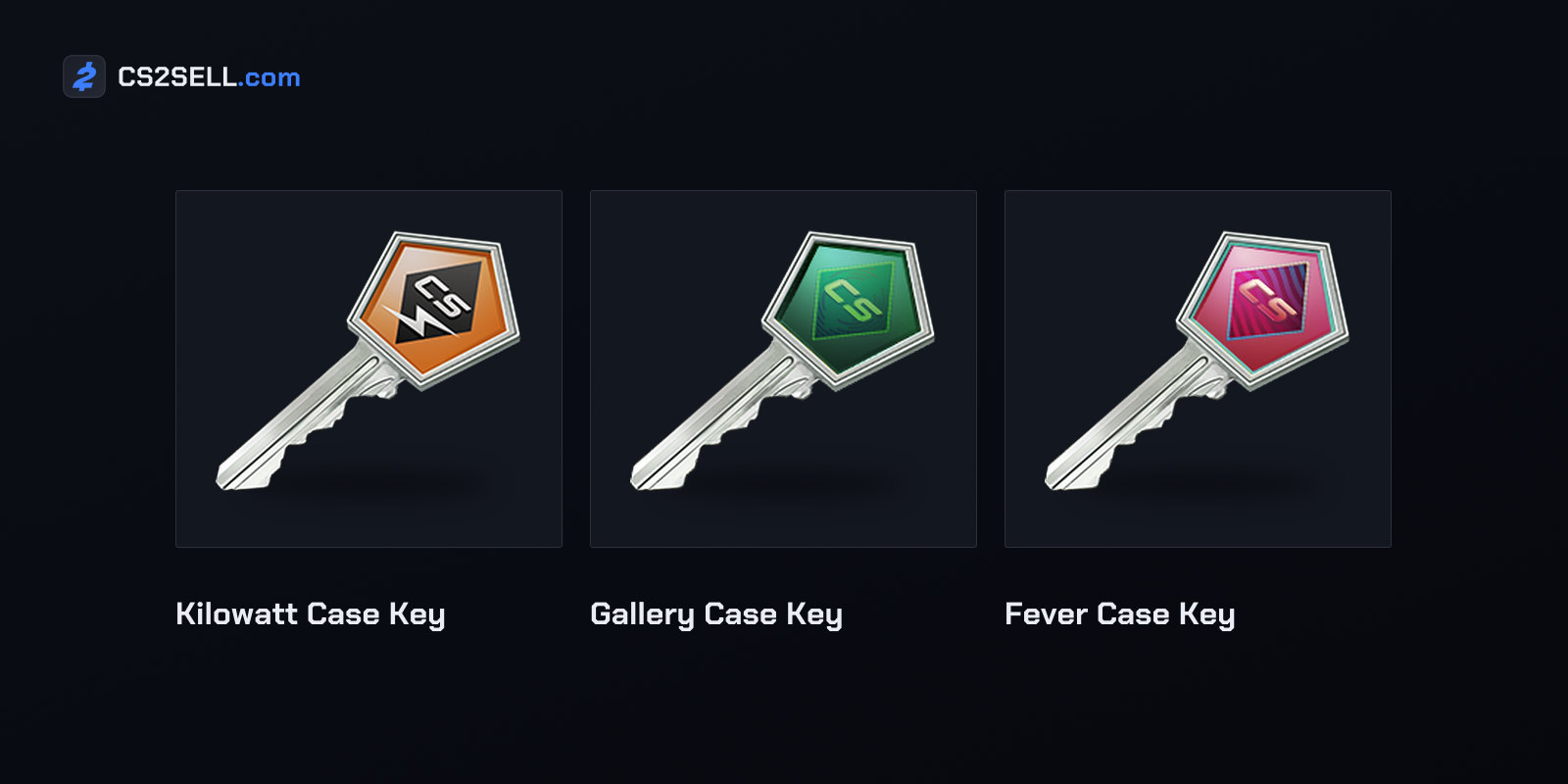
For CS2, the note found no confirmed change to children's and teenagers' access to case opening by its cut-off date, and a rating of NR18, not recommended for under-18s. It groups CS2 with five other titles whose rating had been raised to 18 but which still offer loot boxes without age verification, and recommends that the ANPD prioritise all six:
| Response in Brazil | Examples from the note |
|---|---|
| Removed or replaced paid loot boxes | Fortnite, Overwatch 2, Clash of Clans |
| Added age checks for loot boxes | League of Legends, EA Sports FC, Apex Legends |
| Rated 18, loot boxes kept, no age verification | NBA 2K26, WWE 2K26, Counter-Strike 2, Call of Duty, Genshin Impact, PUBG Mobile |
The note adds that warnings, published odds and an 18 rating don't, on their own, replace blocking minors' access. It also calls its survey preliminary and non-exhaustive, so the list isn't by itself a finding that any game breaks the law.
How Brazil's approach differs
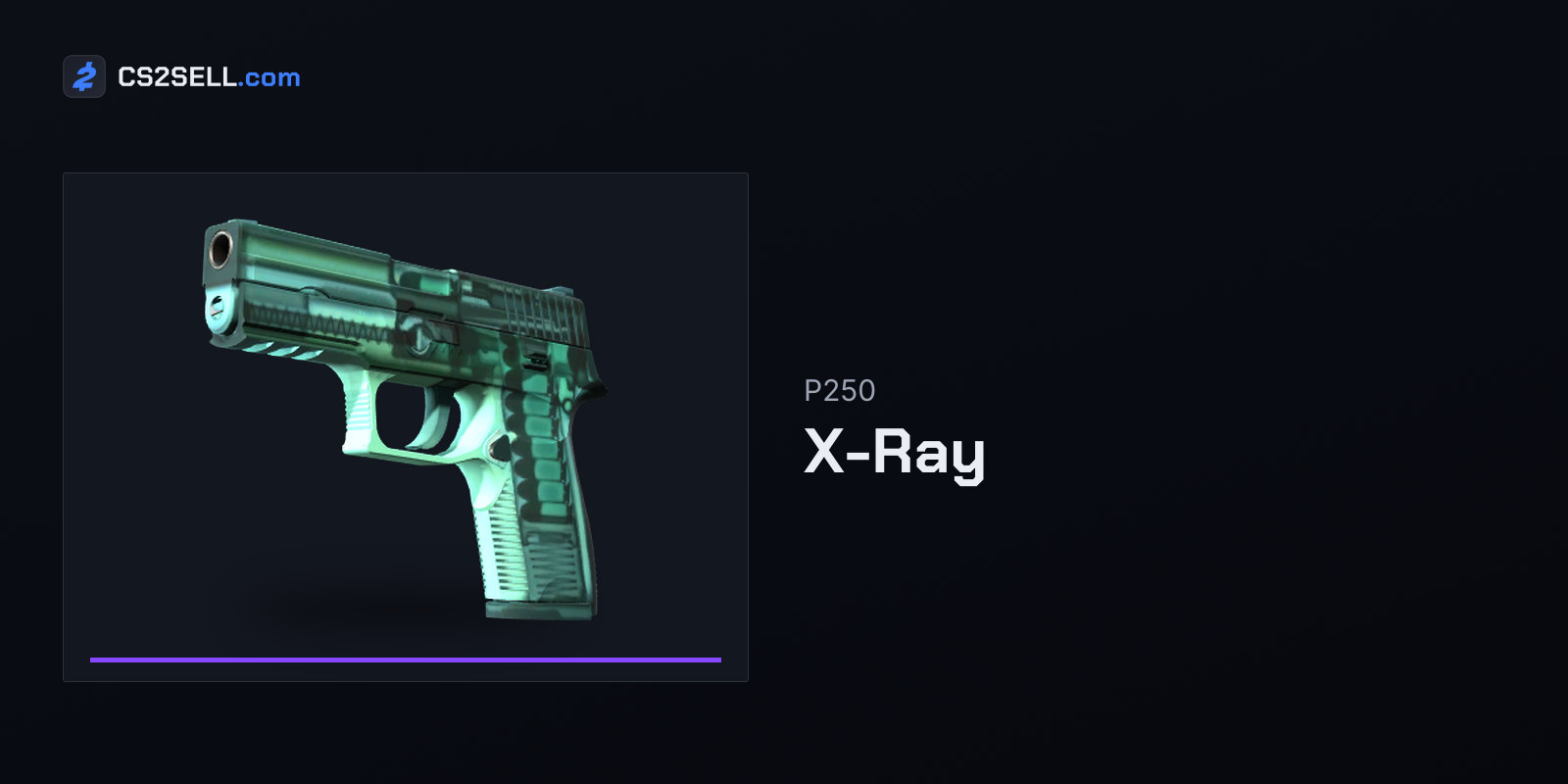
In Europe, Valve has changed how cases open for everyone in a country. Players in Belgium and the Netherlands lost the ability to open containers in 2018, France has required the X-Ray Scanner, which shows the item before you buy a key, since 2019, and Germany and the Netherlands moved to the scanner on March 16, 2026. Our article on loot box rules in Belgium, the Netherlands and France covers each step.
Brazil's rules target who can open loot boxes rather than how they open. As the ministry puts it, the law doesn't necessarily ban loot boxes for adults, but it requires children's and teenagers' access to be effectively blocked. In the United States, New York's attorney general sued Valve in February 2026, alleging that its loot boxes amount to illegal gambling; our article on the 2016 skin gambling crackdown covers that case.
What it means for players and traders
Article 20, the decree's three routes and the court's four orders are all about buying and opening loot boxes. None of them mentions owning, trading or selling skins. If you'd rather choose a specific finish than open a case, Buy has filters for collection, rarity, weapon, wear and float range.
Little is final for CS2 yet: the sentences were still subject to appeal in October, the ANPD's enforcement with fines is set for January 2027, and the ministry's list is a request to prioritise, not a sanction. Valve announced each European change in its release notes, so those are the place to watch for any change in Brazil.
Sources
- Lei nº 15.211, de 17 de setembro de 2025, texto atualizado — Câmara dos Deputados
- Decreto nº 12.880, de 18 de março de 2026, publicação original — Câmara dos Deputados
- Associação de defesa de crianças entra com processo bilionário contra empresas de jogos — Folha de S.Paulo
- Cronograma prevê fiscalização efetiva do ECA Digital pela ANPD em 2027 — Agência Brasil
- Big techs são condenadas por falha na proteção de crianças em jogos — g1
- Justiça condena empresa de jogos eletrônicos por prática abusiva com crianças e adolescentes em recompensas pagas — TJDFT
- MJSP pede à ANPD que monitore jogos eletrônicos com caixas de recompensa que não implementaram verificação de idade — Ministério da Justiça e Segurança Pública
- Nota Técnica nº 55/2026 — Ministério da Justiça e Segurança Pública