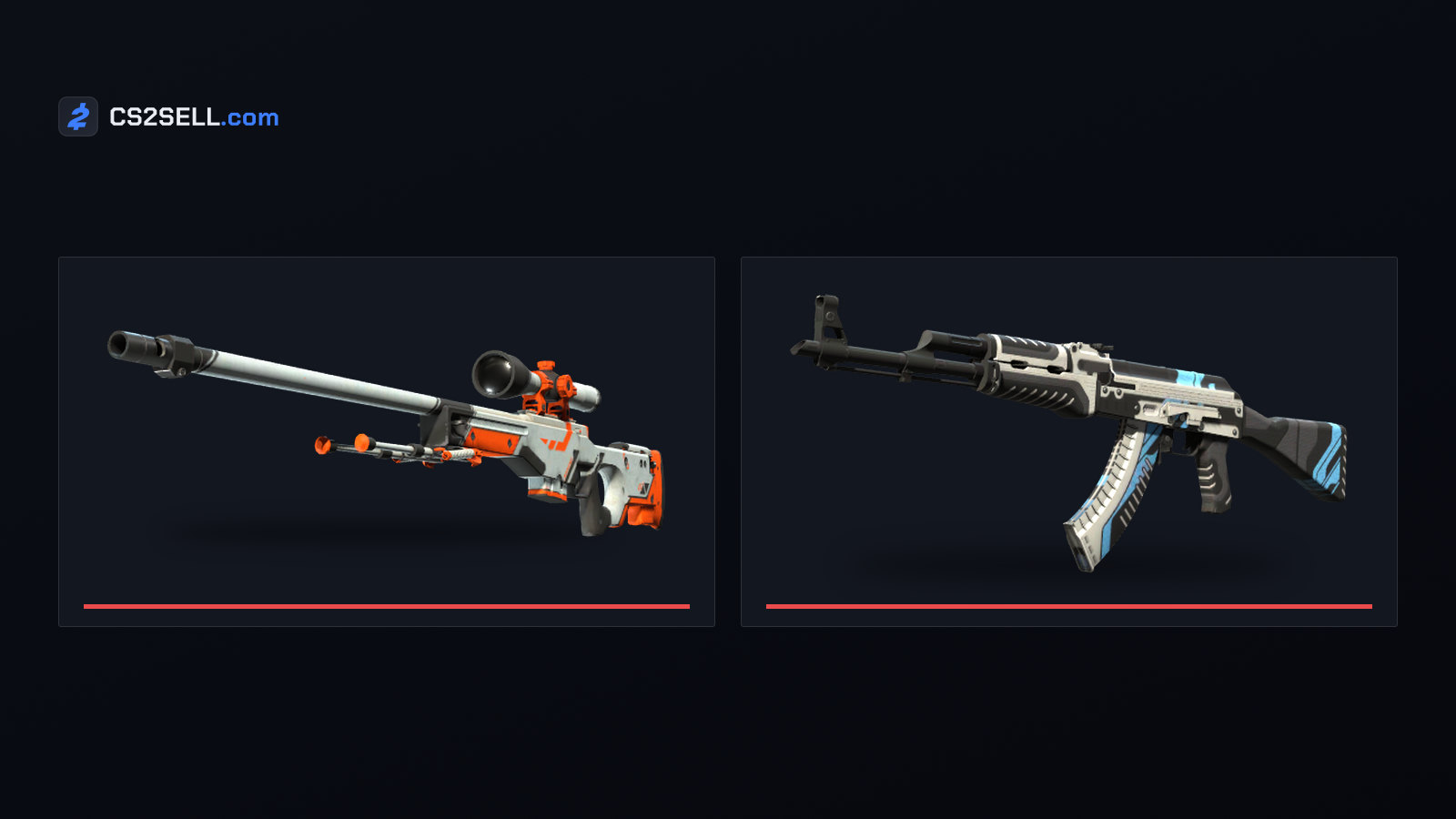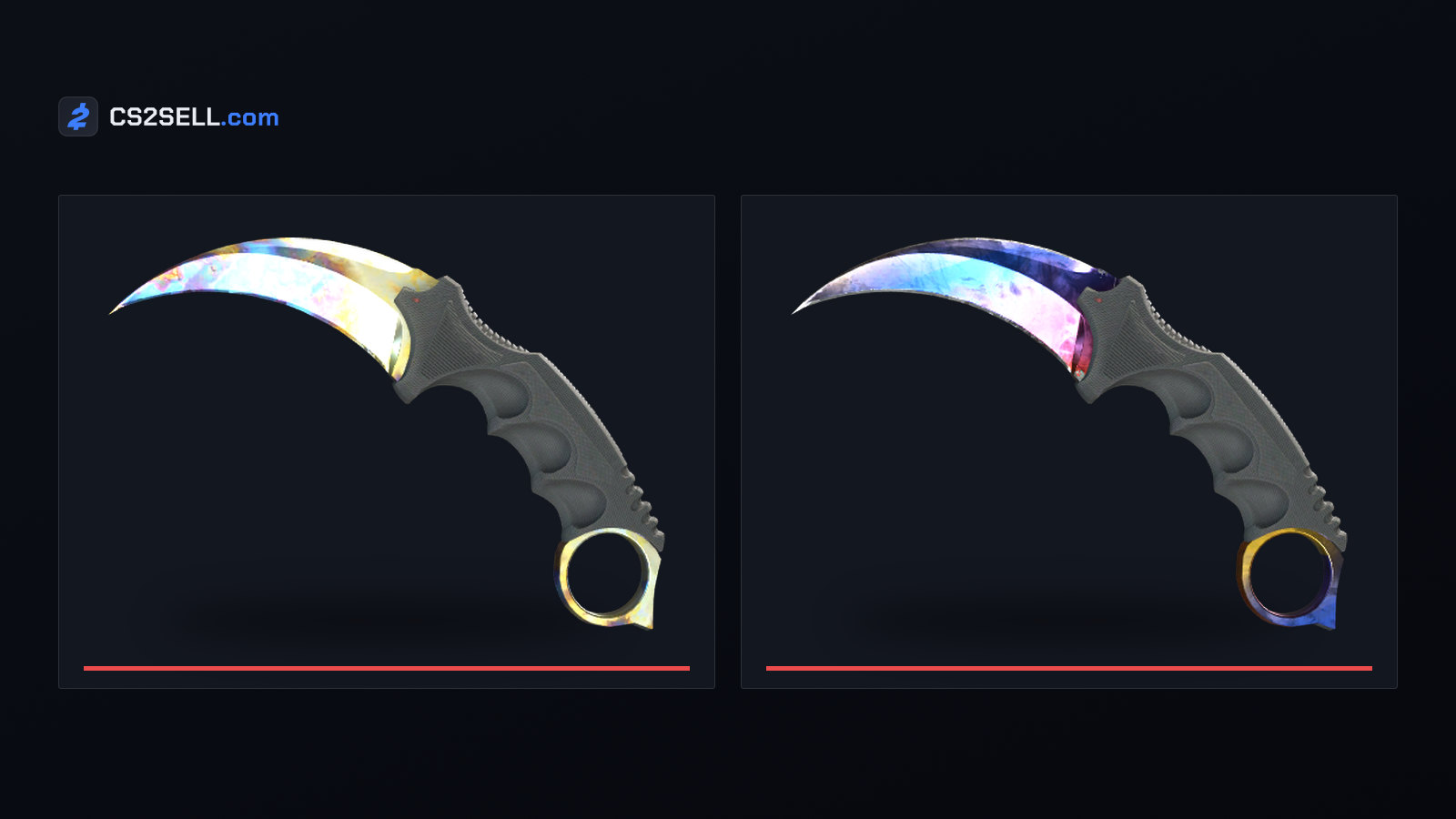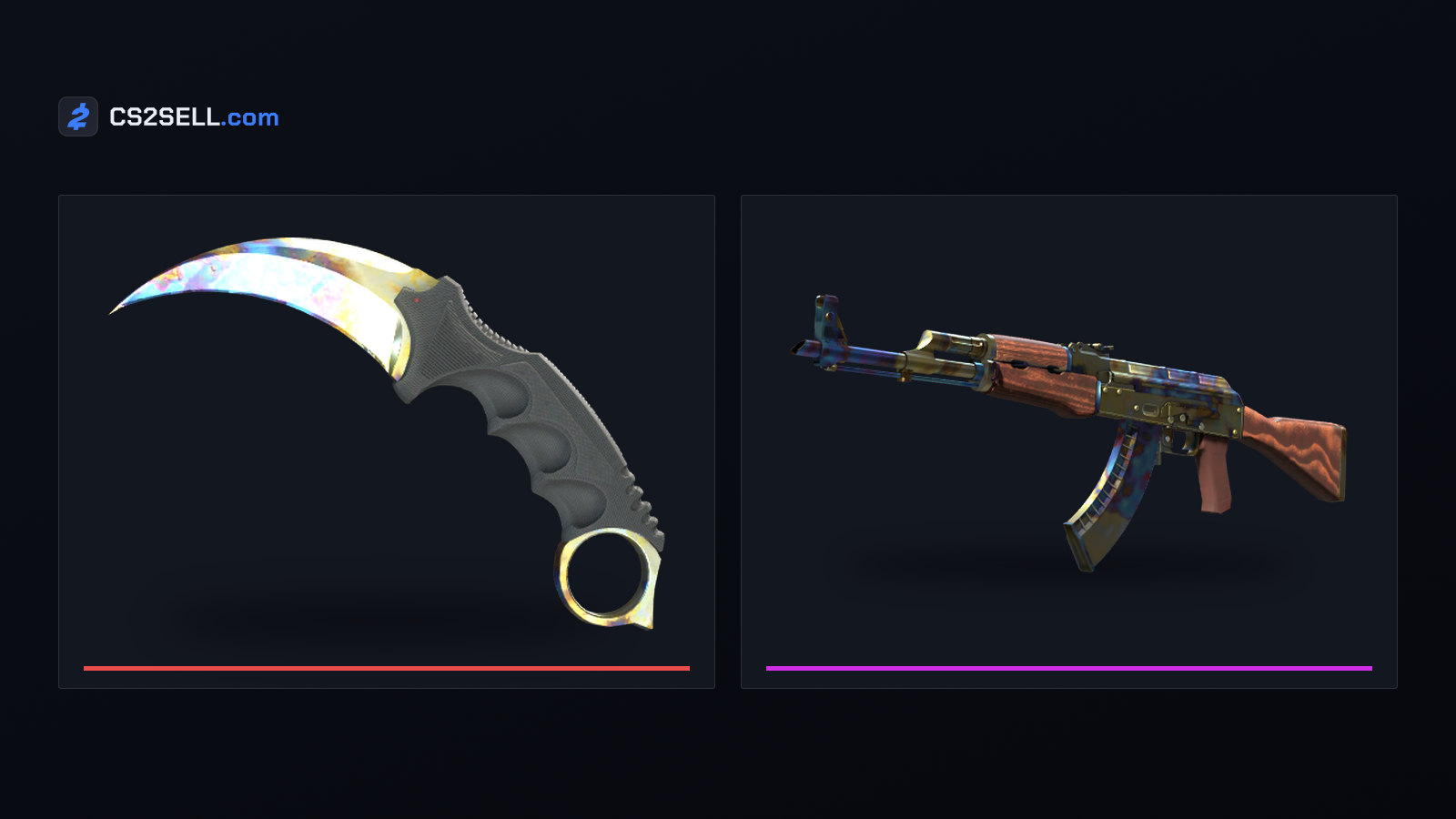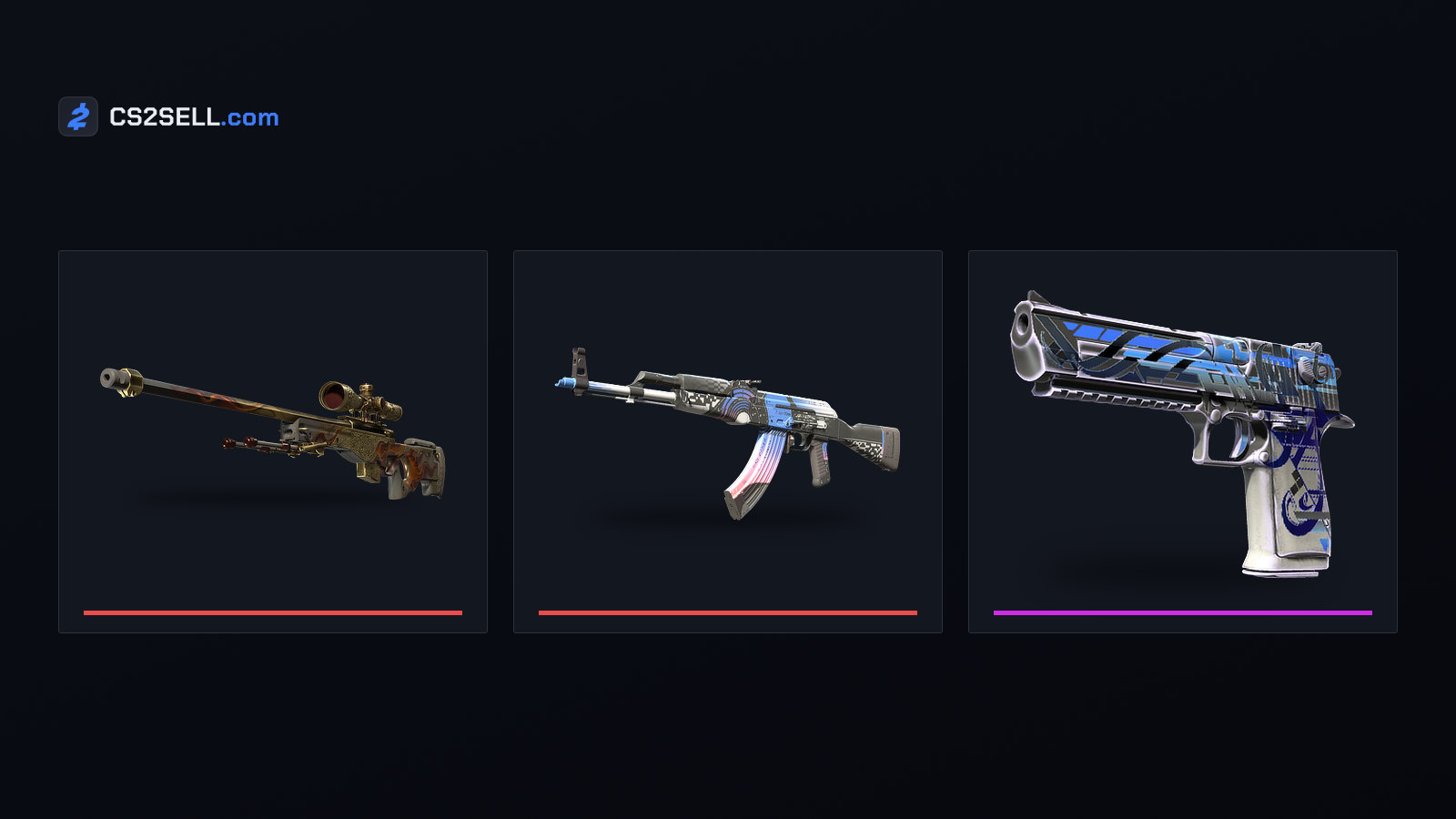
Many of the skins in CS2's cases and collections weren't made by Valve. They were designed by community artists, uploaded to the Steam Workshop and picked by the Counter-Strike team, which then pays the artists. Valve has published its technical rules, a style guide on how it chooses finishes, and, since December 2025, flat fees for some items. Here is how the pipeline works.
From idea to Workshop page
Valve's Workshop FAQ breaks a weapon finish into six steps: concept, design, paint, compile, apply and publish. Artists paint a pattern in an image editor (Valve says it generally uses Photoshop), convert it into a game texture, check it on the weapon in the CS2 Workshop Tools' item editor, and upload it to the Steam Workshop.
The technical rules are specific:
- Textures must be square, with dimensions that are a power of two. A pattern made to fit one weapon exactly uses 2048 by 2048; tiling patterns use the smallest size that keeps the detail.
- Files go in as TGA images, 24-bit or 32-bit if there's an alpha channel, and are compiled to Valve's VTF format with DXT compression.
- Stickers have to fit a square. Valve says it works at 1024 by 1024 or more, and in-game stickers usually end up at 512 by 512.
- Teams can submit together. The upload form lets several authors set up a revenue split.
First-time submitters also have to confirm their item by email before it goes public. Valve added that step in 2019 after phishers posted fake Workshop items promising free rare skins.
Valve's rules
The FAQ lists the reasons items get rejected. Valve automatically rejects anything obscene and anything based on existing intellectual property, "even if you made the pattern yourself." It also turns down:
- national, political or religious symbols;
- designs that stray too far from Counter-Strike's tone;
- finishes that are fully black, fully white or fully saturated, because they light badly in game;
- gold finishes, which Valve reserves for special events;
- designs promoting a brand, person, team or organisation;
- plain solid-colour and anodized paints, of which it says it already has a backlog.
Copying is treated harshly. Tracing or recolouring an image found online is still copyright infringement, Valve says, and can get the item removed and the artist hit with a Workshop community ban. Its style guide adds that a submission should never contain another artist's work, "even if that work is made freely available." Designs with skulls or blood should come with a low-violence version, and every submission should include unedited screenshots of the weapon being inspected, held in hand and seen from the side.
How Valve picks finishes
Once an item is published, Valve's process is short: it reviews submissions, contacts the artist if it selects one, integrates and tests the item, then adds it to a case and shares the money it earns from key sales.
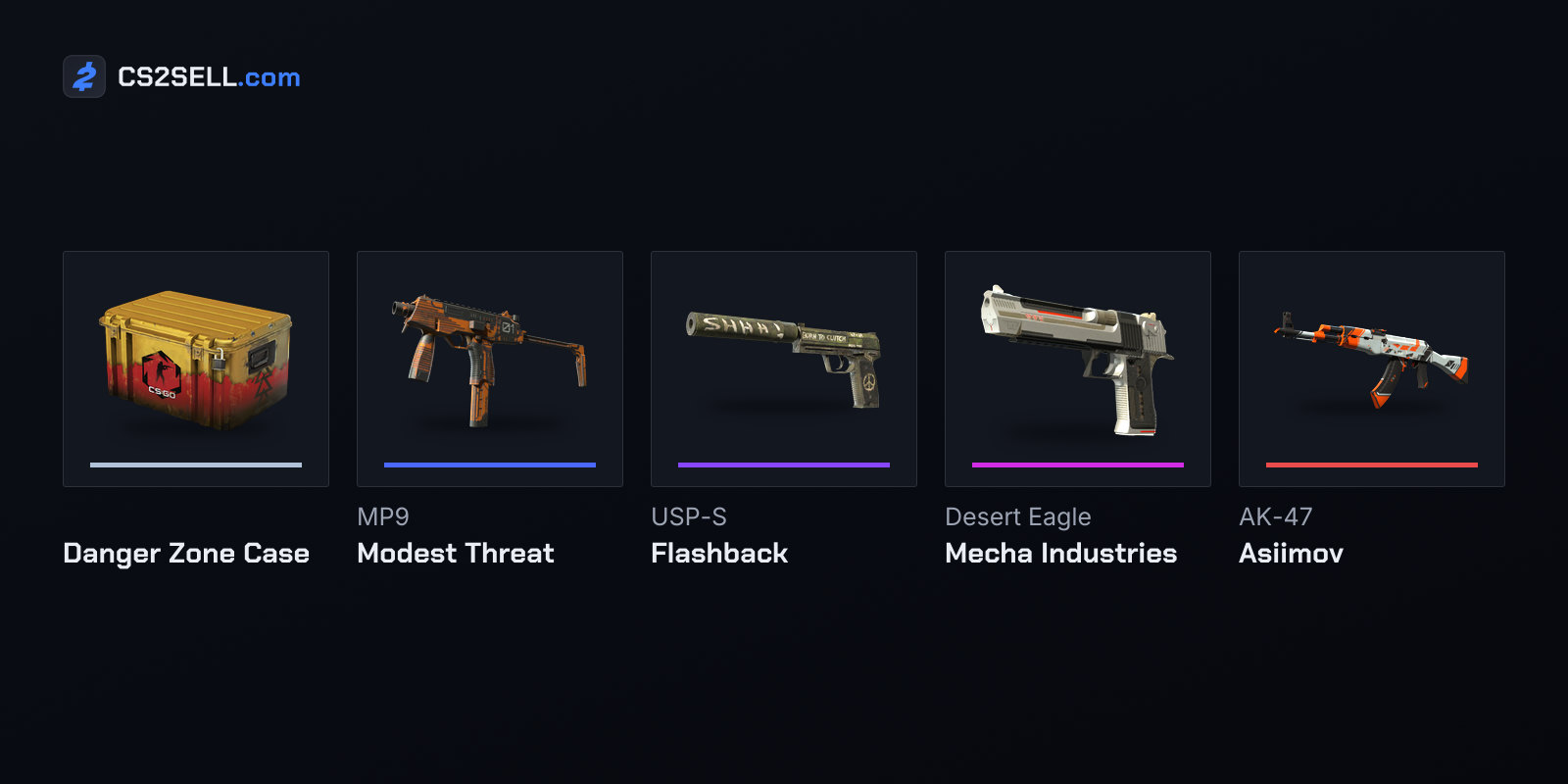
The style guide explains the selection. CS2 has more weapons than a case has slots, so Valve decides which weapons a case will feature before it chooses finishes, and a strong design may wait a case or two for its weapon to come up. Each rarity tier has its own target:
| Tier | How loud the finish should be | Who it's for |
|---|---|---|
| Mil-Spec (blue) | Least salient, muted | The player holding it |
| Restricted (purple) | Distinct but not flashy | The holder and players close by |
| Classified (violet) | Noticeable, often vibrant | Players in the general vicinity |
| Covert (red) | Loud, recognisable at a distance | Everyone in the match |
Workshop votes help, but Valve is open about their limits. It says upvotes favour the loudest designs, which only helps fill the top tiers, so it "frequently" departs from votes when choosing lower-tier finishes. Its advice is to submit good work across every tier and many weapons, since most Mil-Spec designs it ships are found by looking through artists with broad portfolios. And it's frank that no approach "will guarantee" selection.
Themed Calls to Arms
In December 2025 Valve started asking for work on set themes. Its first "Call to Arms" wanted weapon finishes inspired by Arabesque art and Arabian mythology or by spy technology, and stickers about auto racing or fruit and vegetables; artists had to tag their submissions in the Workshop tool. The results reached the Armory on July 8, 2026 as the Arabesque and Spy Tech weapon collections and two sticker collections, which our Arabesque and Spy Tech article lists in full.
A week later Valve opened a second round, "Call II Arms-ory", asking for a Fairy Tales weapon collection and Cryptids and Pop Art sticker collections. It gave no release date.
What Valve has said about paying creators
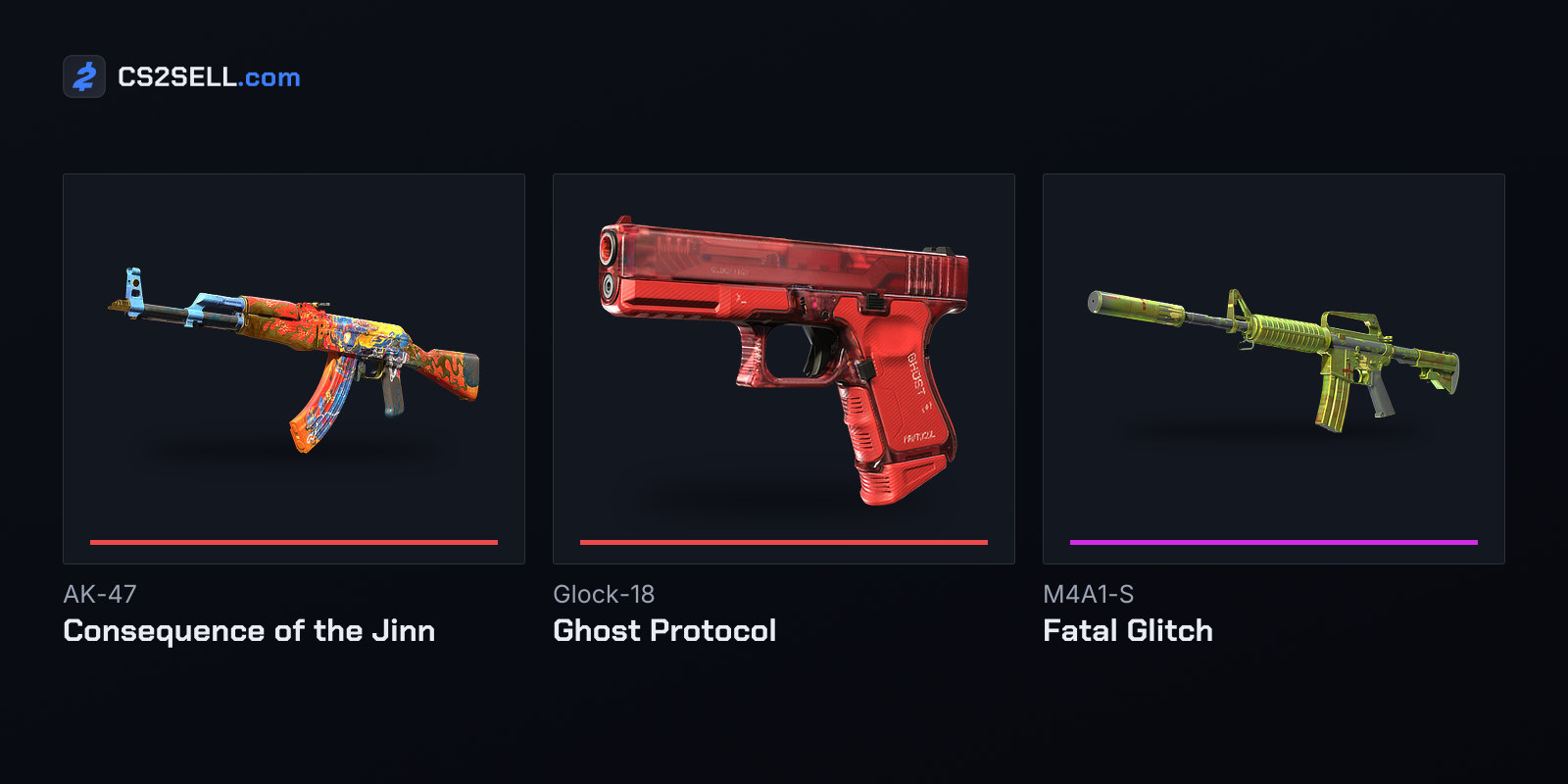
Valve's Workshop page promises contributors "a split of their items' sales." It has published totals at least twice. In August 2014 it said it had shipped over 70 community weapon finishes, that their creators had earned over $3 million in total, more than $40,000 per finish on average, and that each item in a case gets an equal share of the revenue. In January 2015 it said Workshop creators for Team Fortress 2, Dota 2 and CS:GO had been paid more than $57 million, spread across over 1,500 contributors in 75 countries.
The standard Workshop terms leave the percentage to the game's publisher. For items obtained indirectly, such as finishes in a case opened with a paid key, Valve decides the revenue share at its discretion, and it may also share part of the game fee on Community Market resales. Payment generally arrives 30 days after the end of the month, but never sooner than 90 days after an item first ships. Valve's public pages for CS2 artists don't state the share for case items.
December 2025 added a second model. Under optional terms dated December 5, 2025, Valve pays a flat fee instead of a revenue share for CS2 items players get through wallet payments, credits or in-game activity such as the Armory or a Terminal: $35,000 per weapon finish and $6,000 per sticker or charm. Accepting the terms isn't required to publish, but it lets an artist's items appear in places community items couldn't go before, such as the Armory, and the second Call to Arms requires it.
Whichever model applies, the Steam Subscriber Agreement says Valve isn't obliged to use any Workshop item and may modify accepted ones for gameplay or compatibility. An artist can pull an item from the Workshop, but Valve keeps the right to use it if it has already been accepted into the game. For how community skins fit alongside Valve's own, see collections vs cases.
Sources
- Workshop Frequently Asked Questions — Counter-Strike 2
- Style Guide for weapon finishes — Counter-Strike 2
- CS2 Workshop — Counter-Strike 2
- CS2 Workshop Update — Counter-Strike 2
- Call II Arms-ory — Counter-Strike 2
- Workshop legal agreement and supplemental terms for CS2 — Steam Community
- Making Better Designs — Steam News
- Valve has paid out $57M to creators making hats, skins and items for Steam Workshop — Polygon