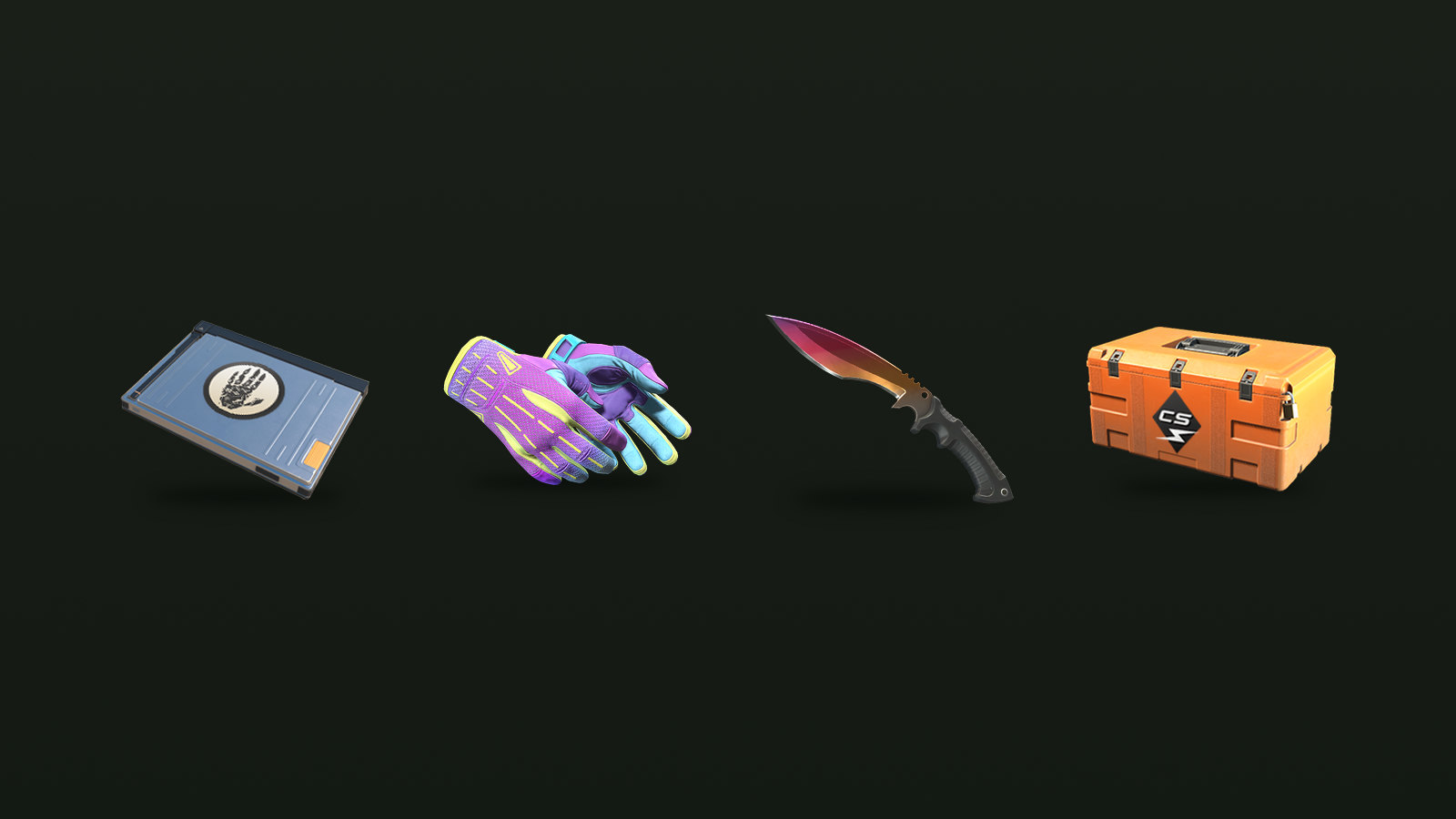
When Valve adds a new case or terminal, the effect isn't limited to the new skins. A release usually ends supply for an older case, competes with existing items for the same buyers, and sometimes arrives alongside rule changes that reprice whole tiers. Here is how each of those effects works, using releases from the last few years.
New items start out scarce
On release day, no copies of the new skins exist. The first ones come from players opening the new container, and they can't be sold on immediately. When the Dead Hand Collection launched on March 11, 2026, TheXboxHub reported that the new gloves sat under a seven-day trade lock until around March 19, and that during that week prices for the few tradable pairs often stayed 15 to 30 percent higher. Once the lock lifted, more listings appeared and prices began to settle.
New item types have no price history at all, so the first sales are pure price discovery. The Kilowatt Case in February 2024 brought the Kukri Knife, the first new knife in Counter-Strike since 2019's Operation Shattered Web. Nobody could look up what a Kukri "should" cost; the early buyers set the reference points, and later supply tested them.
The practical lesson is to wait before judging a new item's value. Prices during the first week reflect a handful of copies and the keenest buyers, not the eventual market.
Terminals add an official reference price
Terminals changed one part of this. Instead of a random case opening, a terminal offers you an item at a price Valve sets, and you pay only if you accept. Hotspawn noted that those prices seemed to vary with each skin's popularity.
That creates a link between the terminal and the open market. If an item's market price falls below what terminals are asking, players have every reason to decline the offer and buy on the market instead, so fewer new copies are created. If the market price sits well above the terminal offer, accepting is attractive and supply grows faster. Either way, the terminal offer becomes a reference point that market prices for that collection get measured against.
An older case usually leaves the pool
Weekly drops only have room for a handful of containers, so a new one usually displaces an old one. Valve doesn't always say so. The March 11, 2026 patch notes announced the Dead Hand Terminal as a weekly drop but didn't mention removing anything.
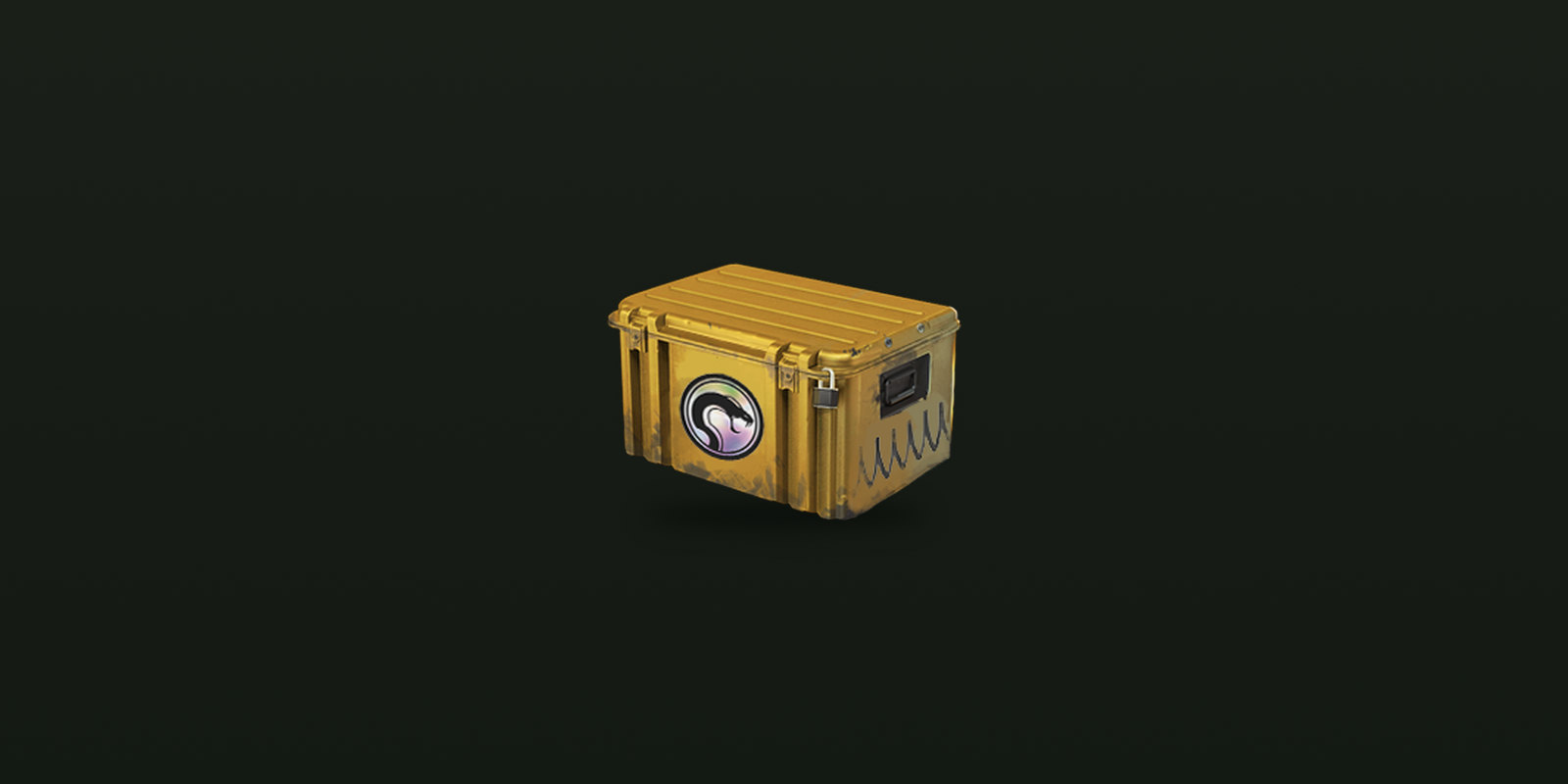
Traders noticed anyway. Swedish esports site Fragbite reported on March 13, 2026 that the Recoil Case was said to have dropped out of the active pool, and that about 12 hours after the update it sold for around $0.47, roughly 50 percent above its usual level near $0.35, after an even higher first spike. The buying surge came before anyone had confirmed the change, and one tracker quoted in the report suggested case farmers were stocking up early.
The logic is simple. Once a case stops dropping, its only remaining supply is existing stock, and every opening destroys a copy. In December 2025 the flow of older cases through weekly drops stopped altogether when the old rare drop pool went quiet, again without an announcement. Hotspawn reported that no rare-pool cases had entered the game through drops since then. Our guide to drop pools covers what is still dropping.
An early jump isn't the same as lasting scarcity, though. A case that dropped for years can have a very large stock, and prices bought up by people racing each other can fall back once the rush ends.
New items compete with old ones
Buyers have limited budgets, and a fresh set of knives or gloves gives them somewhere new to spend. The Dead Hand Collection added 22 gloves, the first new gloves since Operation Broken Fang in December 2020. TheXboxHub reported that in the first days after launch, many older pairs, including popular ones from the Snakebite, Broken Fang and original Glove cases, fell by around 3 to 9 percent, with some expensive pairs down more than 10 percent, as players sold old gloves to fund new ones.

The same site argued that such dips in older items often don't last, because their supply is fixed and demand returns after the first wave. Whether that holds depends on the item. Close substitutes, such as an older finish in similar colours on the same glove type, feel more pressure than items with a look nothing new can replace.
Rule changes can matter more than the release
Sometimes the biggest price move comes from a mechanic, not a container. On October 22, 2025, Valve let players trade up five Covert skins into a knife or gloves. Ars Technica reported the next day that one knife's minimum price had fallen by more than half from a sale above $14,000 the day before, while the P90 | Asiimov's median Steam price jumped from $10 to well over $100.
That rule also changes how future releases behave. In a collection that includes knives or gloves, the Covert skins now double as trade-up inputs for them, so their prices are partly tied to what those rare items are worth.
What to watch when something new lands
- Which case left. Check trackers and community reports, because patch notes may not say.
- The trade lock. Don't judge new item prices until a week of supply has reached the market.
- Terminal offers against market prices. The gap tells you whether new copies are likely to keep coming.
- Close substitutes. Older items that look or function similarly are the ones most exposed.
- Rule changes in the same patch. Read the full notes, not only the content announcement.
To compare how a new item and its older alternatives are priced, CS2Sell's Prices pages are a useful starting point.
Sources
- Counter-Strike 2 patches/March 11, 2026 — Counter-Strike Wiki
- Recoil Case uppges bortplockad från weekly drops – priset rusar — Fragbite
- Is CS2 removing cases? Rumors explained — Hotspawn
- All CS2 Kilowatt Case weapon and knife skins — Dot Esports
- CS2 item market loses nearly $2B in value overnight due to "trade up" update — Ars Technica
- 22 New Gloves Just Dropped in CS2 — What Happens to Your Old Pairs? — TheXboxHub