A middleman is a third person who holds one side of a deal until the other side delivers. It sounds like caution, which is exactly why scammers suggest it. On Steam the idea is redundant: one trade offer already swaps both sides at once, and Valve says a middleman shouldn't be needed when you trade within its system.
What Valve says about middlemen
Valve's trading guidance is unusually direct on this. Its Recommended Trading Practices page tells you to avoid middlemen and spells out the three ways they go wrong: "A middleman can scam you by impersonating another trader, working with a scammer or keeping any item that you give to them."
The Scam FAQ makes the same point from another angle. Any time you trust another user with one of your items, Valve says, you give them the opportunity to scam you. And the Steam Trading FAQ lists trading items for nothing and expecting something back in a later trade among the trades to avoid, naming "using a middleman to facilitate a one sided trade" as a common example.
Why a trade offer makes a middleman pointless
A Steam trade offer is a prepackaged trade: you pick items from your inventory and from the other person's, and they accept, decline or counter. Items stay in your inventory until the offer is accepted, and Valve says a single trade can hold an unlimited number of items, so there's never a reason to split a deal into parts.
That means both halves of an item-for-item deal move together or not at all. Nobody has to go first, and nobody needs to hold anything. Steam even warns you when you're about to send items for nothing in return, with a confirmation that the items will be treated as a gift.
The only deals that seem to need a middleman are the ones that can't fit in the trade window: cash, gift cards, game keys, or a promise of a later trade. Valve's rule covers all of them. Don't trade for anything that can't be added to the trade itself.
The three versions of the scam
The partner's friend. The other trader suggests a "trusted middleman" to make the deal safe. That account belongs to them, or to someone working with them. You hand over your item, and both accounts go quiet.
The copied middleman. You insist on a well-known, reputable person instead. A second account copies that person's name and avatar and messages you first, or switches to the copy just before the handover. Valve notes that a Steam display name can be changed at any time, while the SteamID can't be changed, even by Steam Support. Malwarebytes points out that people change Steam names so often that a stranger can easily pass for someone you know, and that hovering over a name on a profile shows its earlier names.
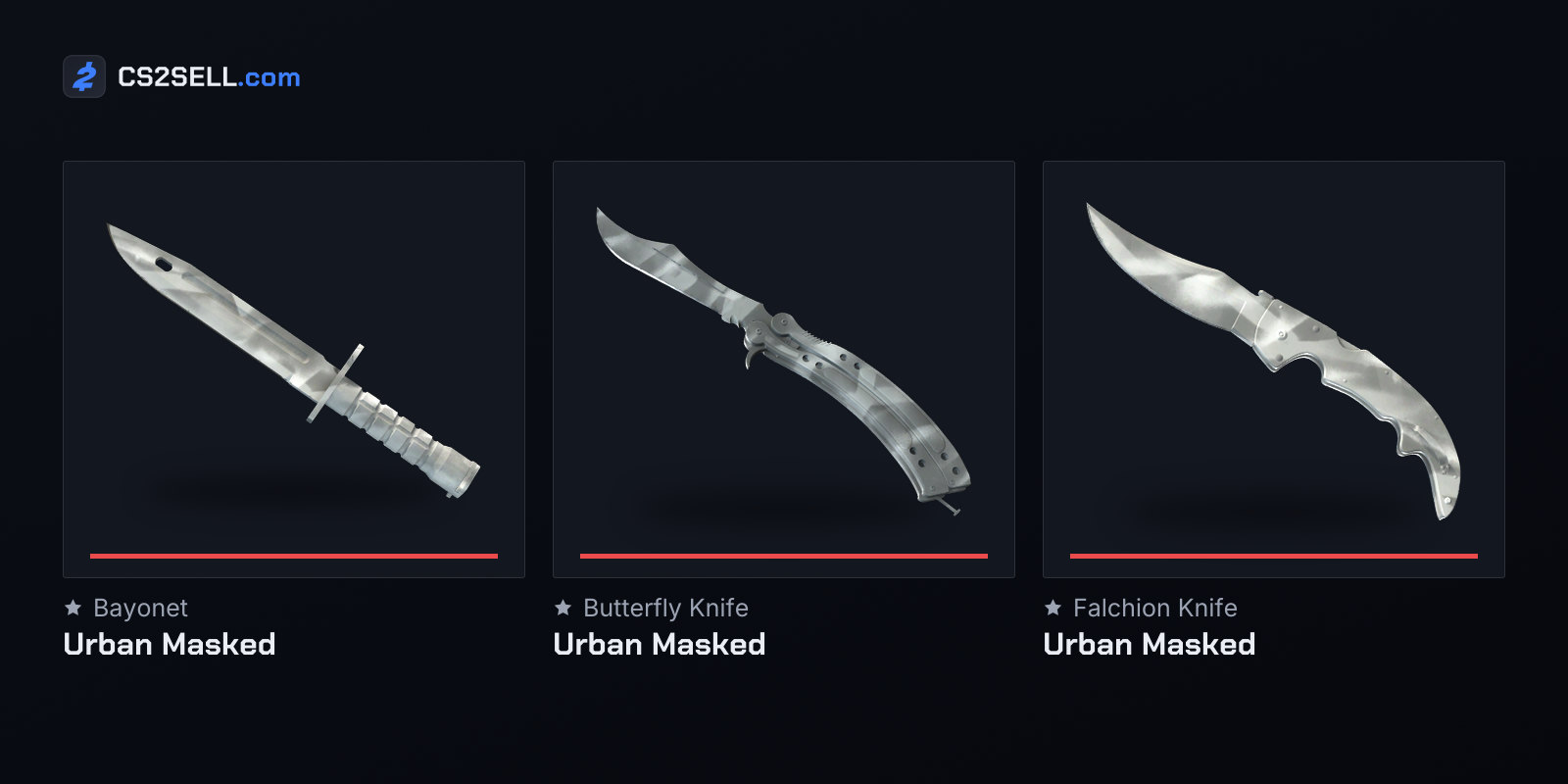
The copied or hijacked friend. Your own friend offers to hold the item, but the account is a lookalike or has been taken over. Valve warns that scammers impersonate friends and trusted traders, and that it's your responsibility to know who you're trading with. A friend's account that suddenly wants to hold your knife deserves the same scepticism as a stranger's.
Trade protection changed the cash version
Since July 15, 2025, every CS2 item received in a trade is Trade Protected for seven days. During that week it "cannot be consumed, modified, or transferred", in Valve's words, and the trade can be reversed from the Trade History page.
That breaks the logic of a middleman for CS2 items in two ways. First, a middleman who receives your skin can't pass it on to the buyer for a week, so "holding it until the money arrives" can't end with a quick delivery. Second, when a seller reverses, every protected trade from the last seven days is undone and the items go back to their previous owners. A middleman can't stop that, and money paid outside Steam doesn't come back with the item. Our guide to what happens when a trade is reversed walks through who ends up with what.
Checks if someone insists on a middleman
- Ask why it can't be one trade offer. If the answer involves money, gift cards, keys or "the rest later", Valve's guidance is not to make the deal.
- Verify by SteamID, not by name. The 64-bit SteamID is a 17-digit number that never changes. Display names and avatars can change in seconds. Our guide to checking a Steam profile before a trade shows where to look.
- Read the trade offer details. Valve says the offer shows how long you've been friends, the account's Steam level, how old it is and which groups it moderates. A copy made this week can't fake any of those.
- Confirm through a channel you already had. If a friend or known trader is involved, ask them somewhere other than the conversation that suggested the middleman.
- Ignore pressure to trust. Valve says a user who insists you trust them is probably trying to scam you, and that "+rep" comments can be generated easily.
If what you really want is money for a skin, sell it through a service rather than a stranger's middleman. On Sell you can sign in with Steam and sell items from your CS2 inventory.
If it already happened
Report every account involved from its Steam profile with Report Player. Valve says it bans scammers it finds evidence against from trading and the Community Market, sometimes permanently, and their other accounts can be banned too. Steam Support doesn't restore items that have left an account.
There's one exception for recent CS2 trades. If you traded the item away within the last seven days, a reversal under trade protection can bring it back, though it undoes every protected trade from that week and puts a 30-day trading and Market cooldown on your account. For the scams that tend to travel with this one, see common CS2 trading scams.
Sources
- Recommended Trading Practices — Steam Support
- Scam FAQ (Confidence Scams and Trade Scams) — Steam Support
- Steam Trading — Steam Support
- Steam Trade Offers — Steam Support
- Trade Protected Items — Steam Support
- Season Two: Episode One — Counter-Strike 2
- SteamID, Steam Account Names, Merging Accounts and Deleting Accounts — Steam Support
- Fake Esports voting sites looking to phish Steam users — Malwarebytes