The first Esports Nations Cup was due to bring Counter-Strike 2 national teams to Riyadh from November 10 to 15, 2026, with 24 of them playing for $1,320,000. That will not happen this month: on August 18 the Esports Foundation postponed the whole Esports Nations Cup to November 2027.
Key facts
| Organiser | Esports Foundation; qualifiers played on FACEIT |
| Status | Postponed to November 2027, no days announced |
| Original dates | November 10 to 15, 2026 |
| Location | Riyadh, Saudi Arabia; no venue announced |
| Teams | 24 national teams, all from online qualifiers |
| Prize pool | $1,320,000, with $300,000 for the winner |
| Format | Four round-robin groups of six, then a 16-team single-elimination bracket |
| VRS status | Tier 2 LAN |
Why it moved to 2027
The foundation announced the delay about a month after the CS2 qualifiers finished. Its statement points to "the wider regional situation" and says the decision followed consultation with key stakeholders. The delay covers the whole Esports Nations Cup, a four-week, 16-game event that was due to open on November 2.
The Esports World Cup 2026 had already left Riyadh for Paris, a move HLTV linked to the conflict in Iran. The foundation says "Saudi Arabia remains fully capable of hosting events", and its CEO, Ralf Reichert, said the decision "was not taken lightly". The 2027 edition is still planned for Riyadh.
Format and prize money
As announced in July, the CS2 event was to open with four groups of six teams. Each group is a round robin, in which every team plays the other five once, and every group match is a best of one, a single map. The top four in each group go through, and the bottom two are out.
The 16 survivors then play a single-elimination bracket, where a lost series ends a team's tournament. Only the two beaten semi-finalists play on: Liquipedia's bracket has them meet in a best-of-three match for third place. Every playoff series is a best of three, won by the first team to take two maps, except the grand final, which is a best of five.
| Place | Prize money |
|---|---|
| 1st | $300,000 |
| 2nd | $180,000 |
| 3rd | $90,000 |
| 4th | $60,000 |
| 5th to 8th | $43,500 each |
| 9th to 16th | $36,000 each |
| 17th to 20th | $30,000 each |
| 21st to 24th | $27,000 each |
The main event was also to count towards the Valve Regional Standings (VRS), Valve's official team ranking, as a tier 2 LAN, an event played offline. No national team could field more than three players from one VRS-ranked club, and a club that releases a core of three players for the event can earn VRS points through it. The VRS explainer covers how those points are worked out, and Valve's tournament rules explain what each ranked tier allows.
How the 24 teams qualified
Nobody was invited. The organiser built its own ranking of countries from the June VRS, adding up the points of each country's five best-ranked players and counting no more than three from one club. Countries without enough ranked players were ranked by FACEIT Elo instead. That ranking picked the 96 countries that got a national open qualifier, played from July 6 to 16.
Nine of those were cancelled because no team signed up, five of them in Sub-Saharan Africa, HLTV reported, which left 87 national teams for ten regional qualifiers from July 17 to 19. The places per region, and the teams that took them:
| Region | Places | Qualified |
|---|---|---|
| Western Europe | 4 | Team France, Team United Kingdom, Team Germany, Team Denmark |
| Eastern Europe | 4 | Team Lithuania, Team Romania, Team Poland, Team Bulgaria |
| North America | 3 | Team United States, Team Canada, Team Mexico |
| South America | 3 | Team Brazil, Team Argentina, Team Chile |
| Middle East and Central Asia | 3 | Team Kazakhstan, Team Turkey, Team Uzbekistan |
| North Africa | 1 | Team Morocco |
| Sub-Saharan Africa | 1 | Team South Africa |
| South and East Asia | 2 | Team China, Team Mongolia |
| Southeast Asia | 2 | Team Indonesia, Team Vietnam |
| Oceania | 1 | Team Australia |
The organiser lists the British team as Great Britain and Turkey as Türkiye.
Names to know
Lithuania went through the East European qualifier without dropping a map, beating Israel, Bulgaria and Kosovo 2-0 each. The organiser calls Justinas "jL" Lekavičius, who won the PGL Major Copenhagen 2024 with Natus Vincere, "the flashiest name on the roster", but credits his teammates Uzman, nukkye and Vilius "tAk" Keserauskas for the deciding win over Kosovo.
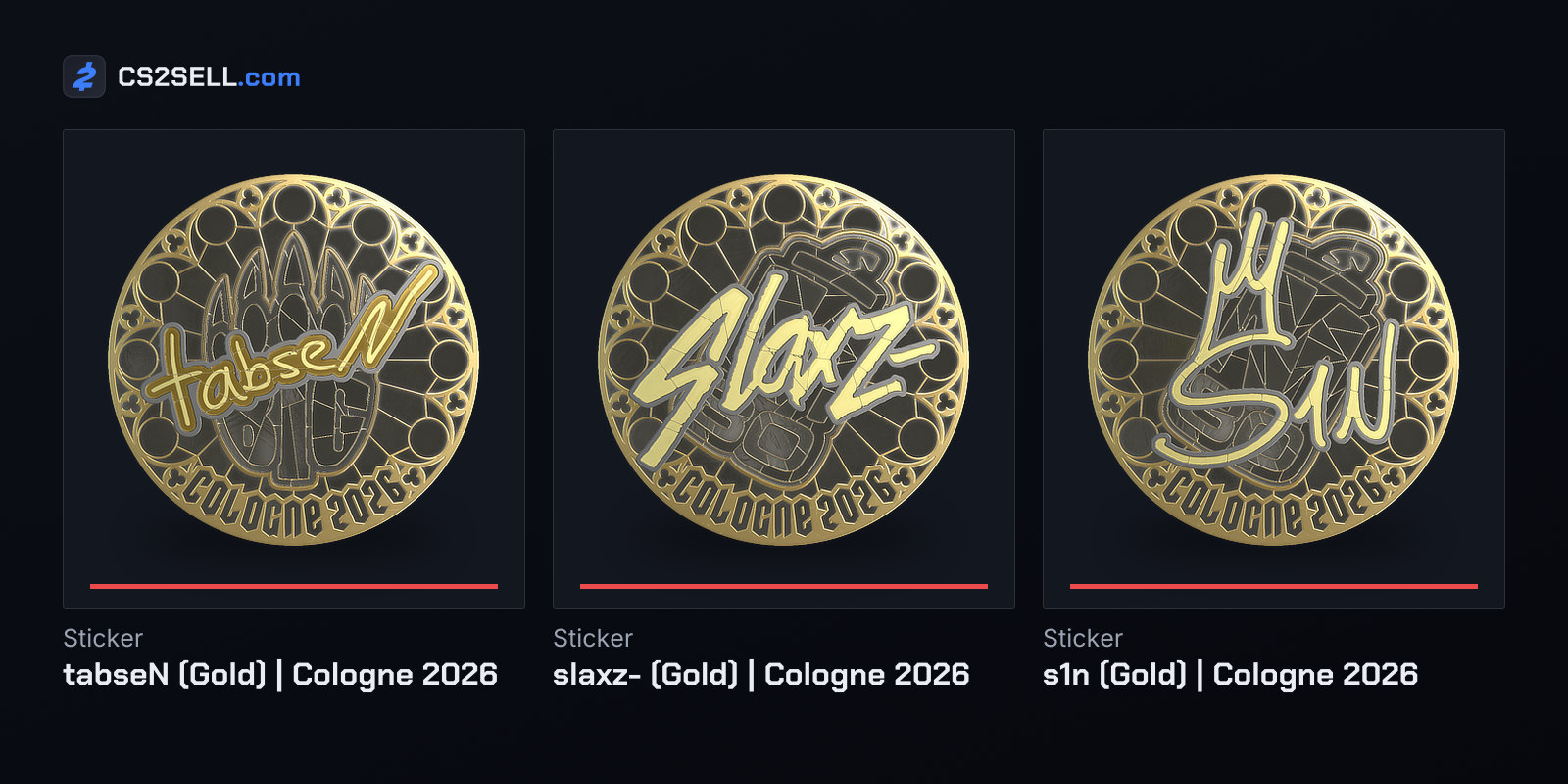
Germany is built on two club pairs: Johannes "tabseN" Wodarz and David "prosus" Hesse from BIG, and M80's Fritz "slaxz-" Dietrich and Elias "s1n" Stein, with Jan "Swani" Müller as coach. They beat Luxembourg, Sweden and Finland on the way to Riyadh.
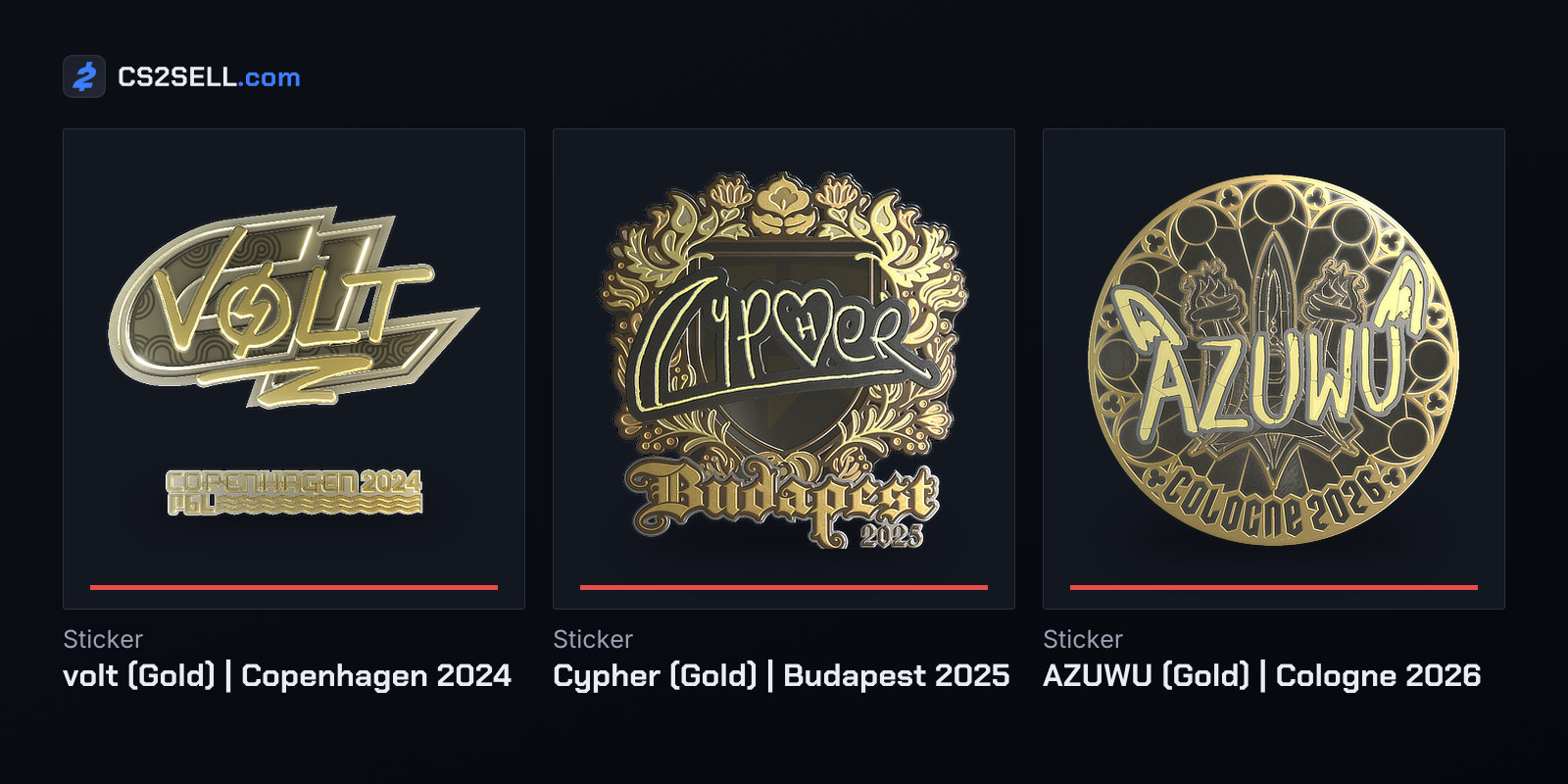
The British side includes Owen "smooya" Butterfield, Oscar "AZUWU" Bell, Cai "CYPHER" Watson and Sebastian "volt" Maloș, a dual Romanian and British citizen, with Max "MiGHTYMAX" Heath coaching. France puts Thomas "Djoko" Pavoni back alongside Pierre "Ex3rcice" Bulinge, who played with him at 3DMAX.
Morocco is led by Adil "ScreaM" Benrlitom, known as the "headshot machine" in his prime, with his brother Nabil "Nivera" Benrlitom in the side. Canada's calls come from 36-year-old Joshua "steel" Nissan, leading what the organiser calls teammates "more than a decade younger". Bulgaria fields the Acend core of Teodor "SPELLAN" Nikolov, Dimitar "Skrimo" Yanulov and Hristiyan "REDSTAR" Pironkov.
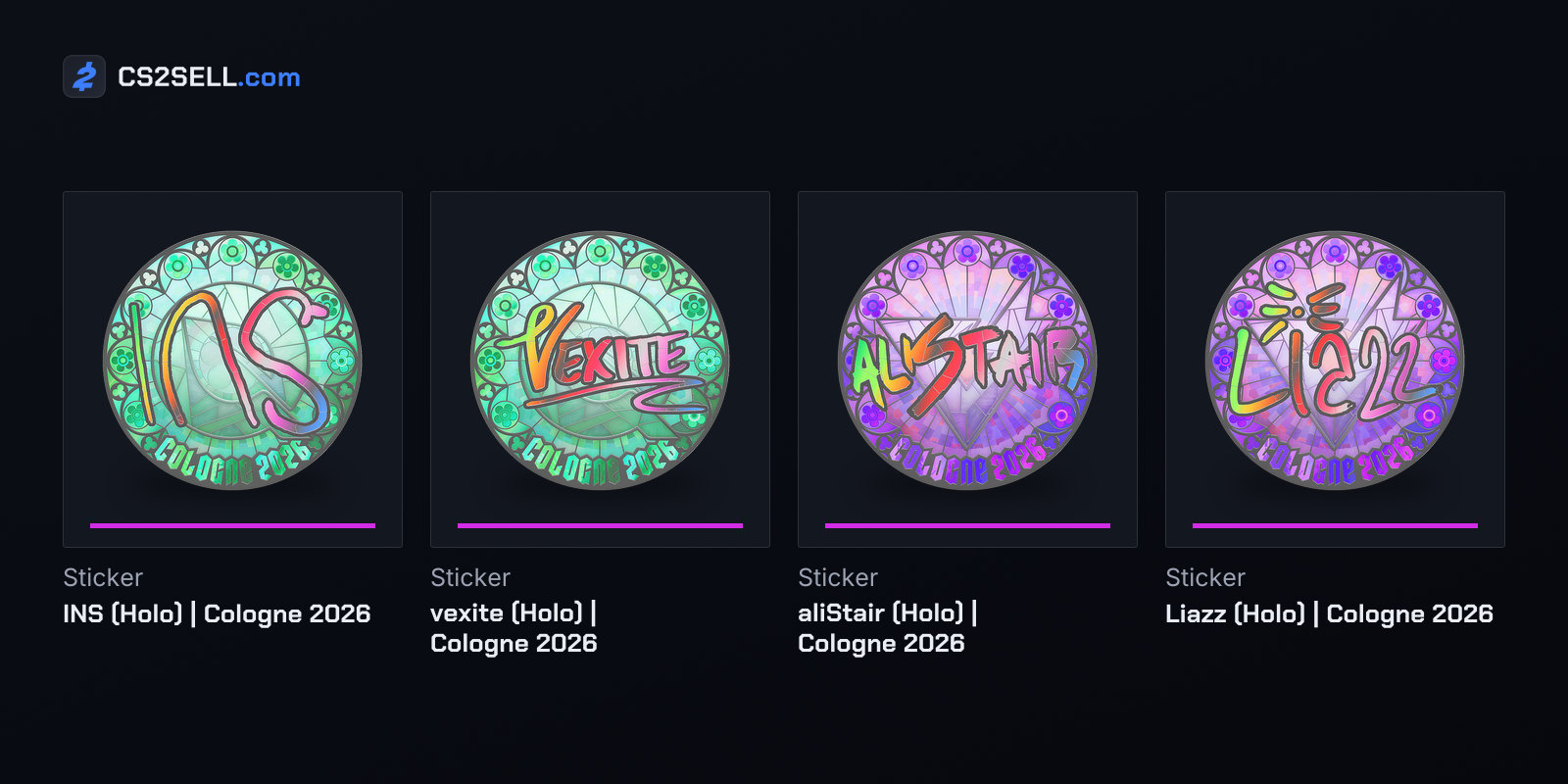
Australia won an Oceania qualifier of just two teams, with FlyQuest's Joshua "INS" Potter and Declan "Vexite" Portelli in its lineup.
Among the teams that missed out was Ukraine, built on three fnatic players: Rodion "fEAR" Smyk, Dmytro "jambo" Semera and Nikita "jackasmo" Skyba. The East European qualifier was double elimination, so a team went out on its second series defeat: Ukraine lost 2-1 to Romania on July 17 and, after beating Estonia, 2-1 to Poland the next day.
What is still open
No days in November 2027 have been announced. The foundation said it would spend the following weeks working with National Team Partners and publishers on "the revised competition calendar, qualification pathways and other implications of the new timeline". HLTV took that as a sign that a new qualification process would follow. As of November 7, the newest item in the news list on the organiser's CS2 page is still the postponement.
That leaves open whether the 24 places won in July still count in 2027, and whether the same players will be picked a year later. This would have been the first edition, so there is no defending champion.
Where to follow
The 24 rosters are on the Esports Nations Cup 2026 event page. Updates from the organiser appear on the Counter-Strike 2 page of the Esports Nations Cup website. For CS2 later this month, the PGL Major Singapore 2026 guide covers the next Major.
Sources
- Esports Foundation postpones inaugural Esports Nations Cup to November 2027 — Esports Nations Cup
- 24 countries and territories qualify for Counter-Strike 2 at Esports Nations Cup 2026 — Esports Nations Cup
- Counter Strike 2 — Esports Nations Cup
- Esports Nations Cup 2026 — Liquipedia
- Esports Nations Cup 2026: East European Qualifier — Liquipedia
- Esports Nations Cup postponed to 2027 — HLTV.org
- Teams set for national Esports Nations Cup qualifiers — HLTV.org
- Esports Nations Cup qualifiers registration open — HLTV.org