In August 2014 iBUYPOWER, one of North America's strongest CS:GO teams, lost an online league match 16-4 to NetCodeGuides.com, a team with ties to its own captain. Five months later, leaked text messages and betting records pointed to a fix, and in the scandal that followed, Valve confirmed that skins won on the match had reached iBUYPOWER players before barring seven people from its events. Those bans were later declared permanent, yet at least two of them ended in 2025.
The iBUYPOWER match: a 16-4 loss in August 2014
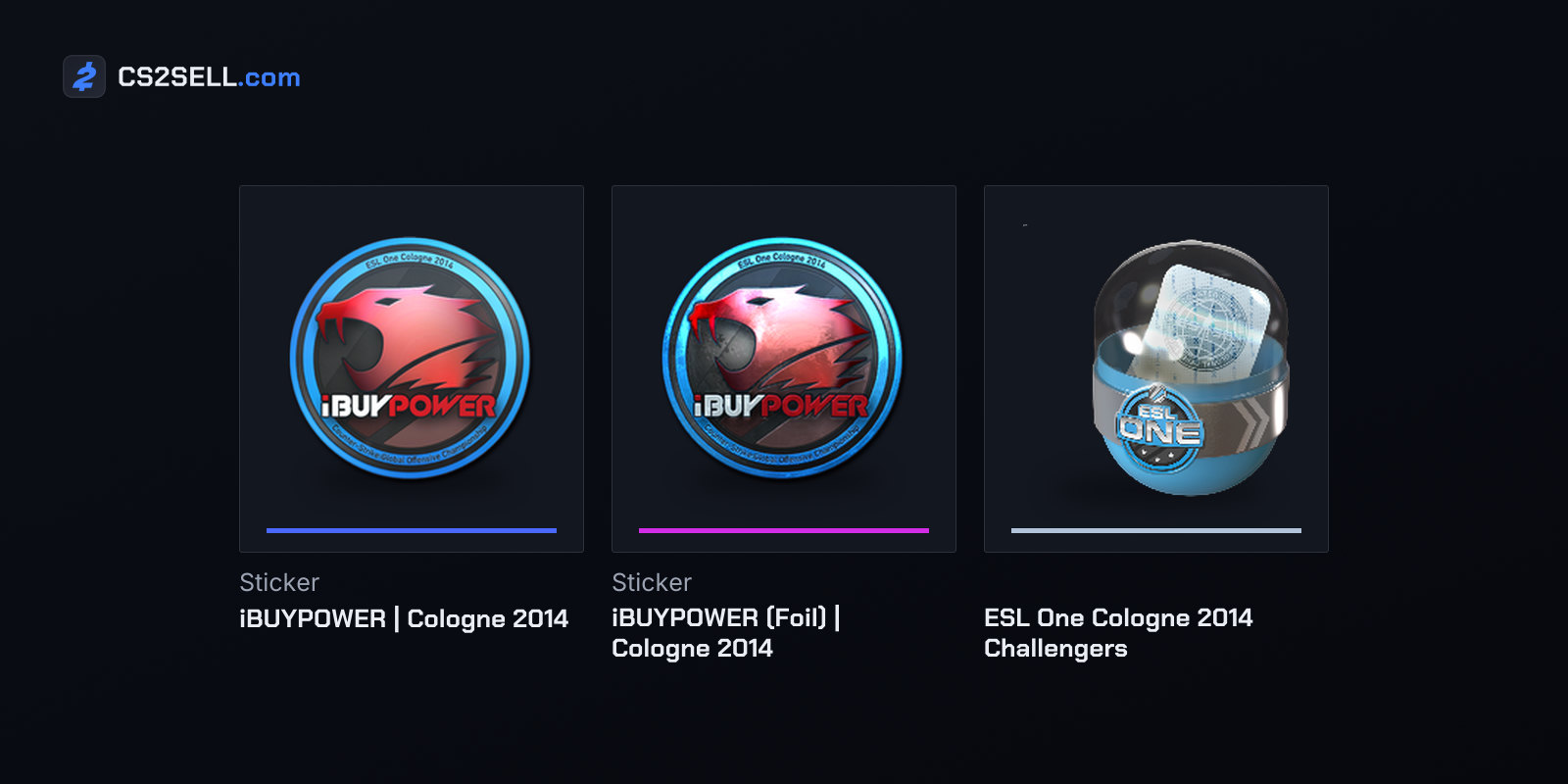
The match was an online game in CEVO Professional Season 5, played as a best-of-one, meaning a single map, on de_season. iBUYPOWER had just returned from the ESL One Cologne 2014 Major and was expected to win easily. NetCodeGuides.com's lineup included Tarik "tarik" Celik.
Instead, NetCodeGuides.com won 16-4. The Daily Dot later described iBUYPOWER chasing knife kills at odd moments and laughing through the defeat, while the team blamed jet lag from Cologne and a lack of practice on the map.
The next day, the Daily Dot was handed screenshots of a pre-match chat in which pro player Shahzeb "ShahZam" Khan said the game was fixed and iBUYPOWER would lose on purpose. Khan refused to say who was behind it, and talk about the match died down.
How the skin bets came to light
Skin betting means staking CS:GO items, which have real-world value, on the result of a match and collecting any winnings in items. At the time, most of it ran through a single third-party betting site.
On January 5, 2015, a former girlfriend of Derek "dboorn" Boorn posted his text messages in a forum thread. Sent two days after the match, they included this line: "they really did throw that match and I bet for them on alternate accounts." The Daily Dot confirmed that the texts came from Boorn's phone.
The texts also named the bettor, Duc "cud" Pham, a player who traded and bet skins on the side. A staff member at the betting site told the Daily Dot that Pham controlled nine "smurf" accounts, meaning secondary accounts, some of them created just for this match. Each placed the maximum bet allowed and returned $1,193.14 in value. The Daily Dot put the total winnings above $10,000, and Boorn's texts said about $7,000 in skins would arrive in his Steam account around the day of the game.
ShahZam, who had denied everything in August, now admitted betting against iBUYPOWER. He said he had been about to back iBUYPOWER when Casey Foster, the founder of NetCode Guides, told him to change his bet. He also called NetCode Guides a joint venture between Foster and iBUYPOWER's captain, Sam "DaZeD" Marine. Journalist Richard Lewis published these findings in the Daily Dot on January 16, 2015.
Valve's ruling, January 26, 2015
Ten days later Valve posted "Integrity and Fair Play" on the Counter-Strike blog. By "investigating the historical activity of relevant accounts", it confirmed that a substantial number of high-value items Pham won on the match had passed through Boorn to iBUYPOWER players and to Foster. Everything Valve had gathered made it "uncomfortable continuing any involvement with these individuals", so it told its event partners to keep seven people out of Valve-sponsored events, which meant the Majors, in any capacity.
| Person | Role |
|---|---|
| Sam "DaZeD" Marine | iBUYPOWER captain |
| Braxton "swag" Pierce | iBUYPOWER player |
| Keven "AZK" Larivière | iBUYPOWER player |
| Joshua "steel" Nissan | iBUYPOWER player |
| Duc "cud" Pham | Placed the bets |
| Derek "dboorn" Boorn | Passed the winnings on |
| Casey Foster | Founder of NetCode Guides |
Valve also set out a rule for the pro scene: professional players, their managers and team staff "should under no circumstances gamble on CS:GO matches". The fifth iBUYPOWER player, Tyler "Skadoodle" Latham, was not banned, and HLTV later explained that he had not accepted the skin profits. CEVO, ESEA, ESL and DreamHack added bans of their own.
CS:GO match-fixing bans: from indefinite to permanent
More bans followed in early February 2015. Valve suspended 14 more players indefinitely over other match-fixing cases, among them most of the French team Epsilon, and said the bans would not be reviewed before 2016. One group, the former ESC Gaming roster, was later cleared after what Valve called further investigation. In January 2016 Valve settled the question in a follow-up post: "the bans for these players are permanent, and players proven to have taken part in match-fixing will be permanently banned."
Tournament organisers went the other way. On July 24, 2017, ESL announced that from August 1 it would lift every match-fixing ban issued before February 15, 2015, which let the former iBUYPOWER and Epsilon players back into its events. ESL was bringing its rules in line with suggestions from the Esports Integrity Coalition (ESIC), and under the new rules a first match-fixing offence normally meant a five-year ban. On the old cases, ESIC said the rules on such conduct "were not clear at the time".
DreamHack lifted its bans in 2017 too. Valve's own events stayed closed: ESL said the bans would still apply at any Minor or Major it ran with Valve.
Careers outside the Majors
According to HLTV, steel was the only banned player to revive his Counter-Strike career, reaching the world top 20 with two different lineups. With Majors still closed to him, he moved to Valorant in 2020, playing for 100 Thieves and T1 among others, and returned to Counter-Strike in July 2023.
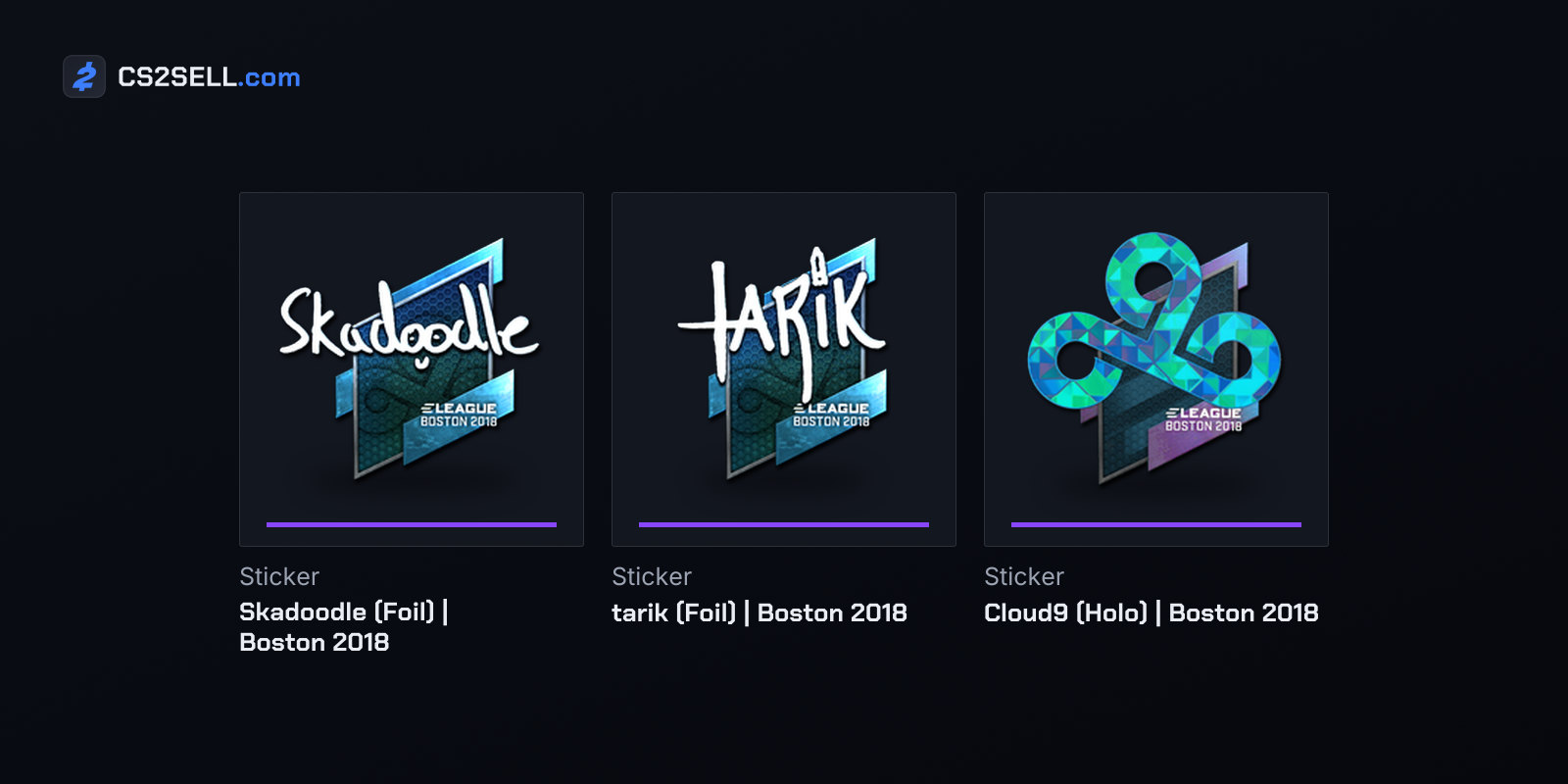
Skadoodle, the iBUYPOWER player who escaped the ban, and tarik, who had played for NetCodeGuides.com that day, later became teammates. Both were in the Cloud9 lineup that won the ELEAGUE Major in Boston in January 2018.
The ten-year mark
In October 2023 steel announced on Twitter that his ban had an end date: "On the 10 year mark in January 2025, I will be allowed to participate at Valve partnered events." He told HLTV that Valve had explained his criteria and why it chose a specific date, and that he had not asked about the others.
The date held: steel was cleared in early 2025. In March 2026 swag confirmed to Dust2.us that he had been unbanned at the same time and was looking for coaching, analyst, scouting or talent-development work.
What the scandal left in CS2 inventories
The case turned on items: Valve's own confirmation came from the trail of skins between Steam accounts. Skin gambling itself carried on, and in July 2016 Valve said it would ask gambling sites to stop operating through Steam, as the article on Valve's 2016 crackdown explains.
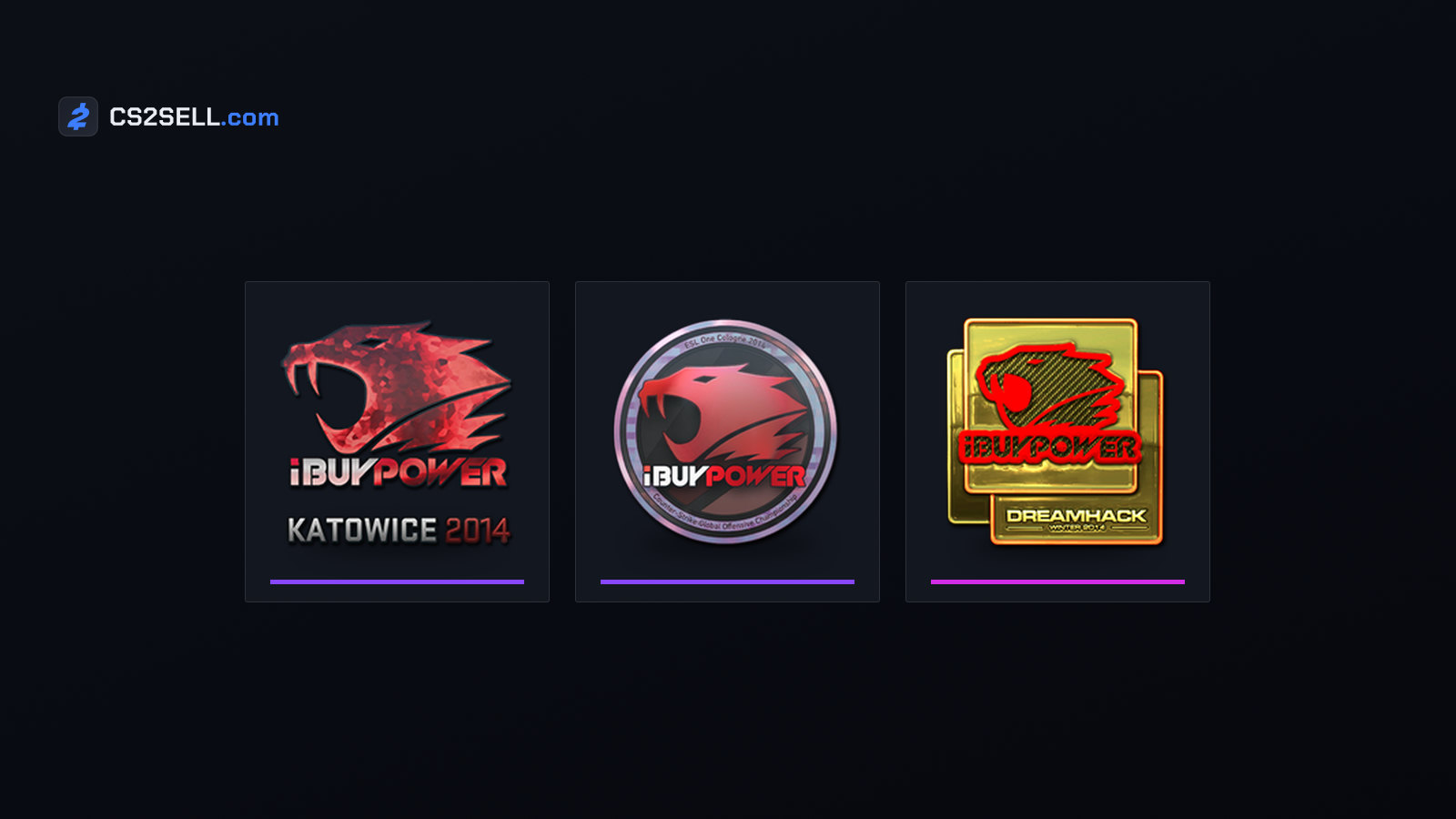
iBUYPOWER stickers exist from only three Majors, all in 2014: Katowice and Cologne in paper, holo and foil, and DreamHack in paper and gold. The Katowice and Cologne capsules held only the paper and holo versions, and no later Major has an iBUYPOWER sticker. The Katowice 2014 stickers guide covers the first set in detail.
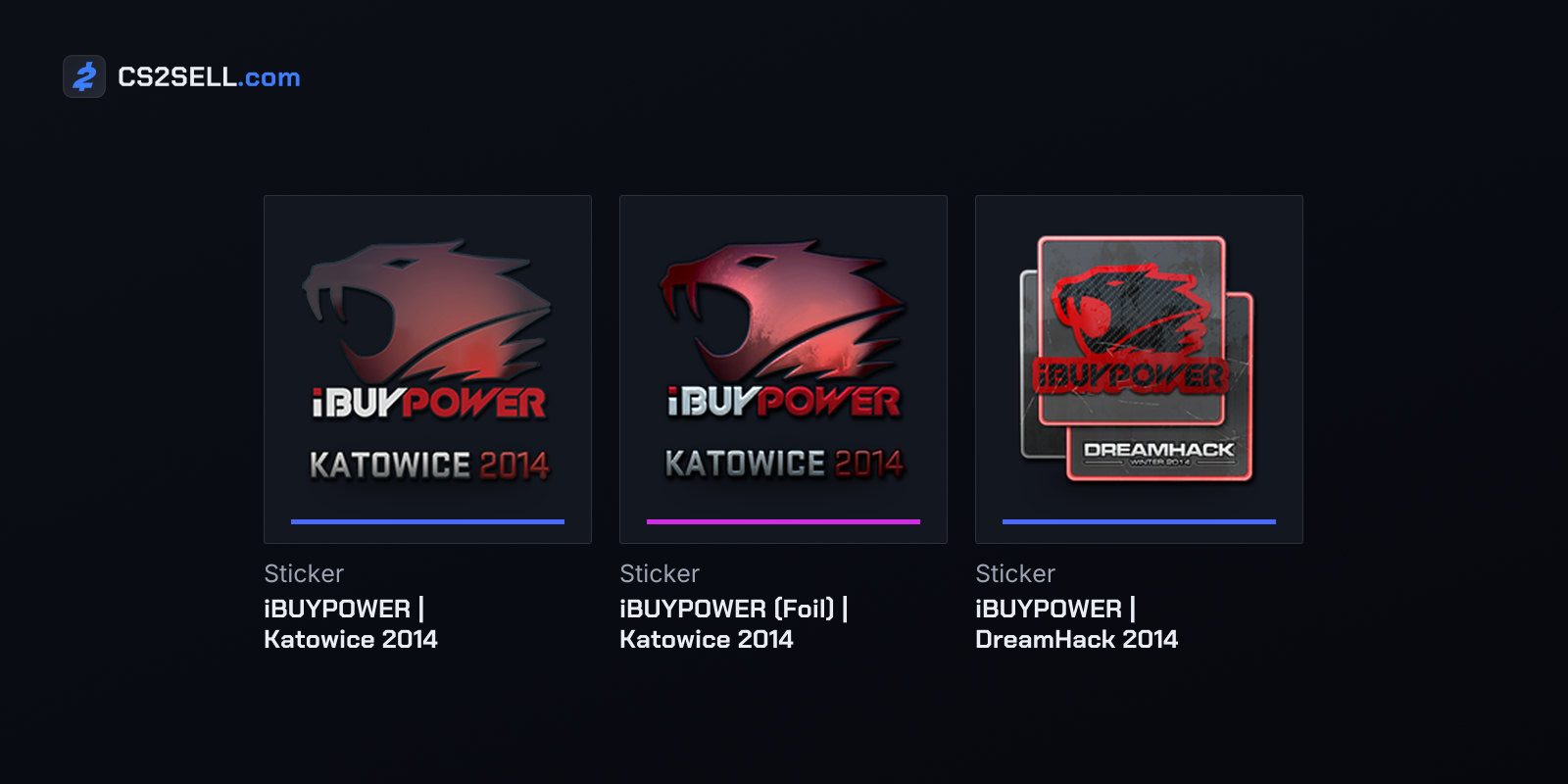
With eight versions across three events, read the end of the item name for the event and check the version before you buy. The sticker filter on Buy lets you find listings with a specific iBUYPOWER sticker applied.
Sources
- Integrity and Fair Play — Counter-Strike blog (Valve)
- A Follow Up to Integrity and Fair Play — Counter-Strike blog (Valve)
- New evidence points to match-fixing at highest level of American Counter-Strike — Dot Esports (originally the Daily Dot)
- Valve suspends 19 more CS:GO players for match fixing — PC Gamer
- ex-iBUYPOWER unbanned from ESL tournaments — HLTV.org
- Legacy of the North American match fixing scandal, 4 years later — Dust2.us
- steel's Valve ban set to elapse in January 2025 — HLTV.org
- Official: swag confirms he is unbanned from Valve events — Dust2.us