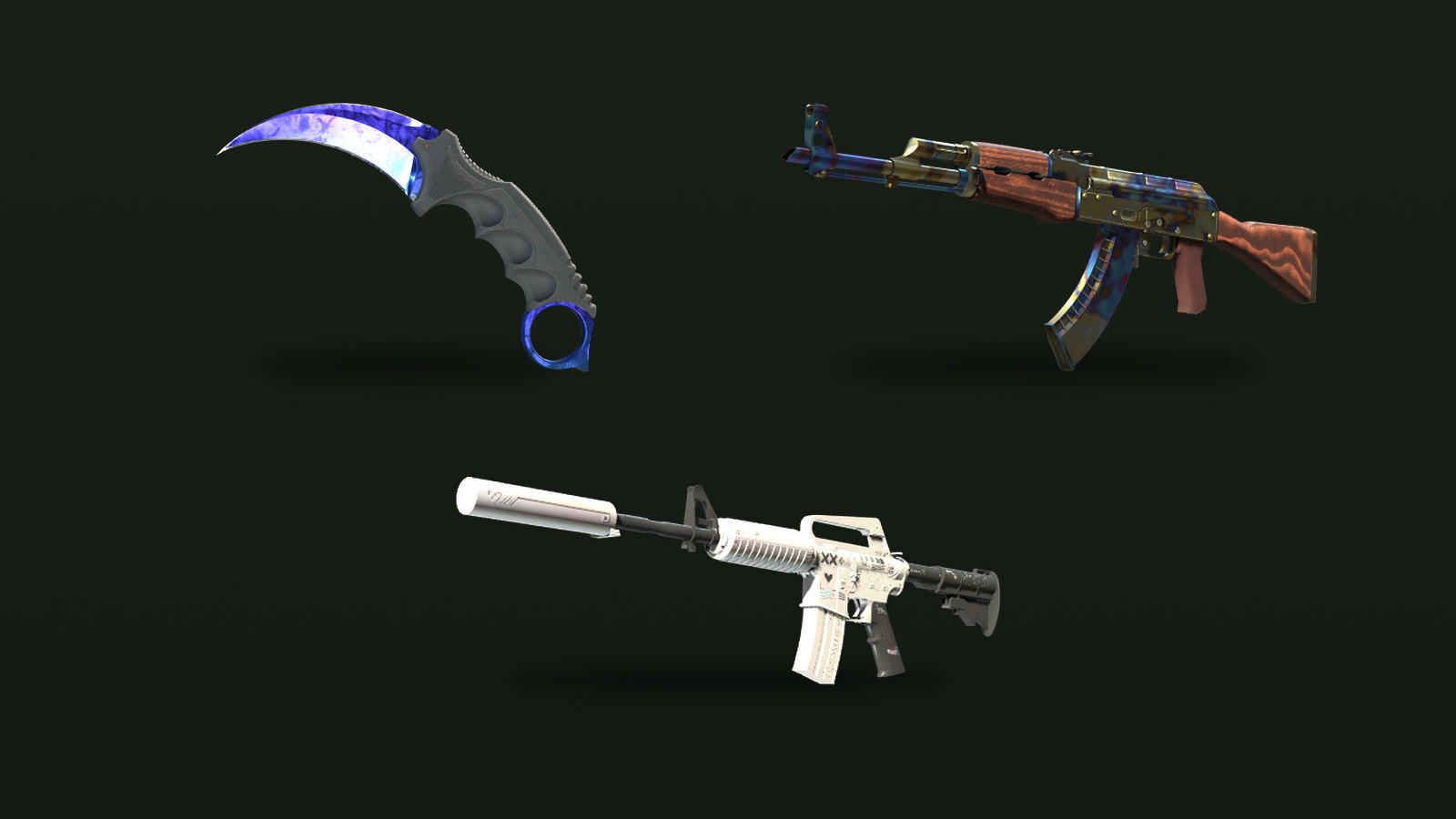
When Counter-Strike 2 replaced CS:GO on September 27, 2023, nobody lost their skins. What changed was the engine drawing them: Source 2 lights and shades items in a completely different way, and some weapons moved to new models. The result is that many skins look noticeably different from the screenshots and videos made in the CS:GO years.
What carried over
Valve's own CS2 page put it plainly: you bring your entire CS:GO inventory with you, keep every item, and "they'll all benefit from Source 2 lighting and materials." The changes were in rendering, not in the items themselves.
The wear system is a good example of what stayed put. Every skin still has a float, a wear value between 0 and 1 fixed when the item was created, and the condition tiers still sit on the same boundaries:
| Condition | Float range |
|---|---|
| Factory New | 0.00–0.07 |
| Minimal Wear | 0.07–0.15 |
| Field-Tested | 0.15–0.37 |
| Well-Worn | 0.37–0.44 |
| Battle-Scarred | 0.44–1.00 |
A skin that was Minimal Wear in CS:GO is Minimal Wear in CS2, with the same number. How that wear is drawn on the weapon is another matter.
Physically based rendering
CS2 uses physically based rendering (PBR), a method where the engine calculates how light bounces off a surface based on properties like colour, metalness and roughness. Valve's weapon finish guide spells out the shift for artists: instead of the diffuse texture used in CS:GO, CS2 finishes use an albedo texture, which represents the physical reflectance of the surface. The lighting itself comes from the map.
That is why the same skin can look different on Ancient than on Nuke, or in the inspect screen than in a match. The guide also shows how old work was carried across. Roughness values in some finish types are read inverted "for back-compatibility" with CS:GO finishes, and colours outside a set brightness range "will not respond appropriately to in-game lighting." During the 2023 test period, Valve also added custom normal maps, pearlescent masks and PBR roughness textures to the finish editor.
Player reactions were mixed. Press coverage of the CS2 Limited Test reported that Doppler knives generally looked as good or better, while many players argued that Case Hardened skins lost some of their appeal. Some high-contrast painted designs drew complaints about looking flatter than before.
New weapon models, and legacy ones
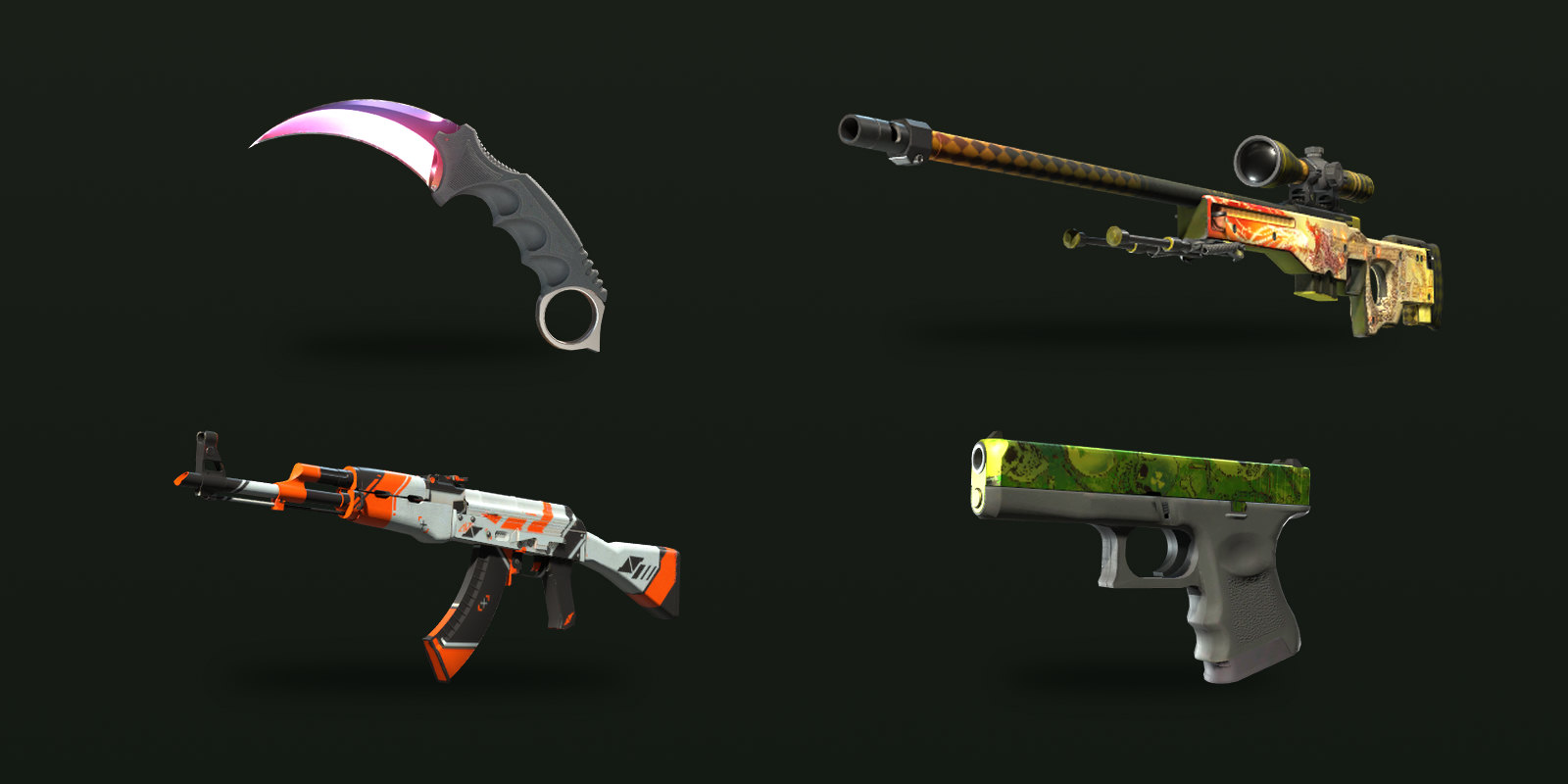
Valve upgraded every stock weapon to a high-resolution model for CS2 but kept supporting the old ones. In its words, "some weapon finishes take advantage of these new models," which means others still sit on legacy models. Release notes as recent as 2025 still mention fixes for legacy SSG 08 and Dual Berettas models, so the split is ongoing.
The model a skin uses matters most for pattern-based skins. A paint seed (pattern index) decides which part of a finish's artwork lands on which part of the gun. During the Limited Test, Dexerto reported that some pattern-based skins had moved to the new models while painted ones stayed on the old, which shifted where patterns sat on the weapon. For skins where a specific placement carries a premium, that was a real concern.
Models also affected stickers. In August 2023 Valve adjusted sticker sizes on the CS2 M4A4 so they no longer overlapped, and put the StatTrak counter in the same spot on both M4 models so it would not cover stickers.
How wear looks now
Valve's finish guide describes wear as more scratches and more grime as the value rises, with the scratch and grime textures placed randomly so no two wear patterns are identical even at the same float. Finish styles also wear in different ways. Spray-paint finishes wear through each layer before reaching the bare metal, anodized finishes wear first to a chrome base coat, and patina finishes change tint as they age.
The transition needed tuning. A July 2023 update made glove patterns and wear "more closely align with CS:GO versions," and the launch notes on September 27, 2023 included "fixing overly strong wear on several Custom Paint Job finishes." Comparing a Field-Tested skin to an old CS:GO clip can therefore mislead you.
Stickers and charms changed a lot
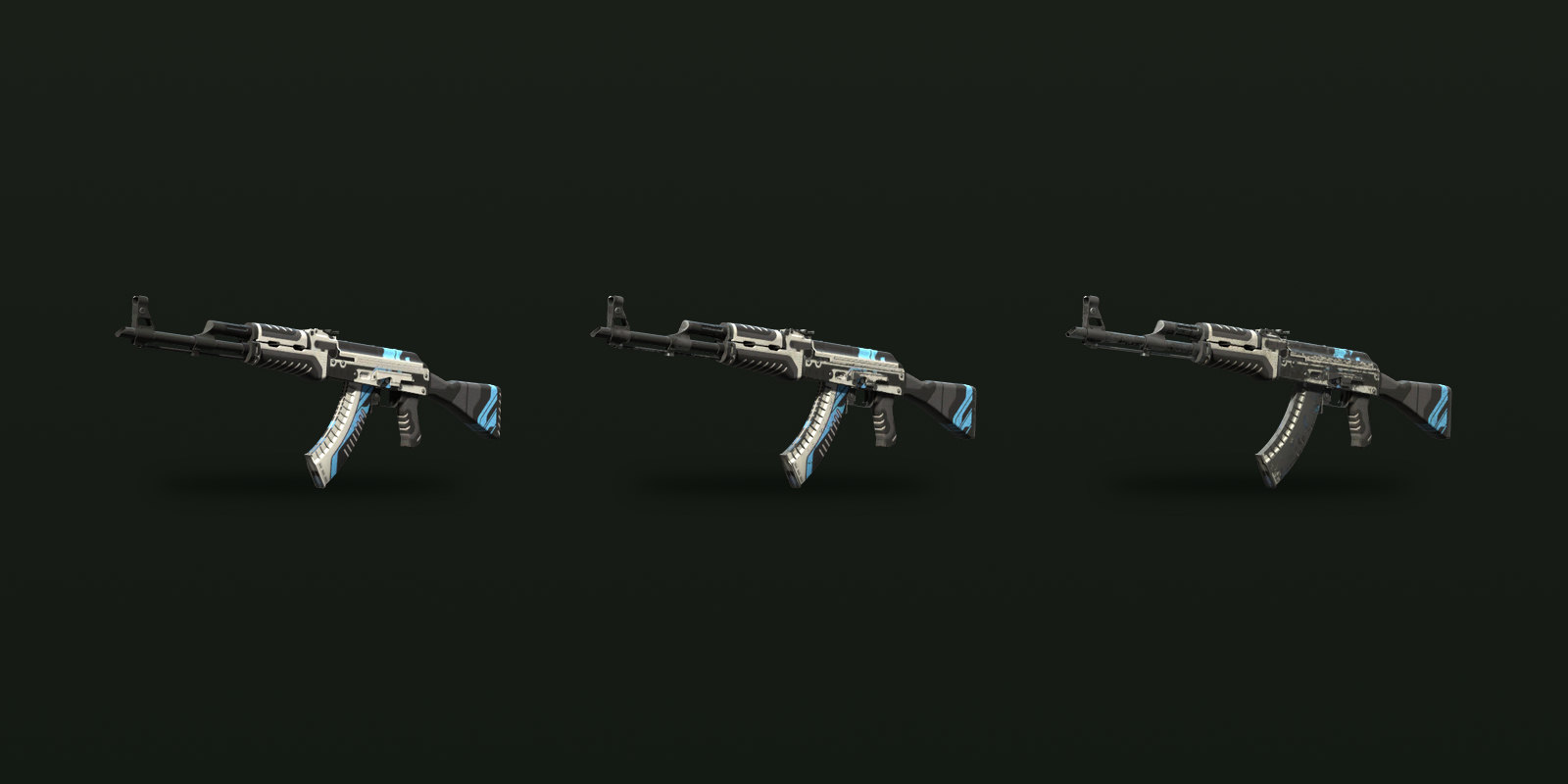
Stickers had a rough start. Early in the Limited Test, holo stickers stopped catching light as the weapon moved and some stickers appeared far too large. Valve reworked holo and foil stickers and sticker sizes over the summer of 2023.
After launch, sticker handling moved well beyond what CS:GO offered:
- February 2024: stickers can be placed at any position and rotation, and every weapon takes up to five.
- October 2024: you can pick a scrape level when applying a sticker, remove a sticker outright instead of scraping it, and attach a charm, a small dangling item, to a weapon.
These changes mean sticker crafts and placements from the CS:GO era are only part of the picture now. The stickers guide covers placement and scraping in detail.
Judging a skin in CS2
Because lighting, models and sticker rendering all changed, the only reliable view of a skin is in CS2 itself. Market listings have been inspectable in CS2 since June 2023, and since September 2025 every inspect panel supports zoom and pan. Look at the item under a couple of inspect backgrounds and judge it by its float and pattern rather than by older footage. If you are shopping for a specific look, the float range and paint seed filters on Buy narrow listings down before you inspect them.